

 Hospital Furniture
 Medical Devices
 MSR Products
 Office Furniture
Bangladesh today stands at a powerful crossroads—an emerging economy with a growing population, expanding industries, and rising public expectations for accessible, affordable, and dependable healthcare. Yet, the reality remains that millions of people still struggle with fragmented services, limited coordination between providers, and inconsistent access to quality medical care. In a nation where 170 million people depend on a system still evolving, the demand for a one-stop, total healthcare solution has never been more urgent.
Across Bangladesh, patients travel from homeopathic shops to diagnostic centers, from small clinics to tertiary hospitals, all while carrying prescriptions and medical files by hand. This disjointed journey exhausts families both financially and emotionally. A unified healthcare ecosystem—where diagnostics, consultations, pharmacy services, emergency care, telemedicine, and long-term patient management exist under one roof—offers a transformative solution. This is not simply a healthcare model; it is a national necessity. promixcoltd.com
GROWING HEALTHCARE DEMANDS ACROSS THE COUNTRY
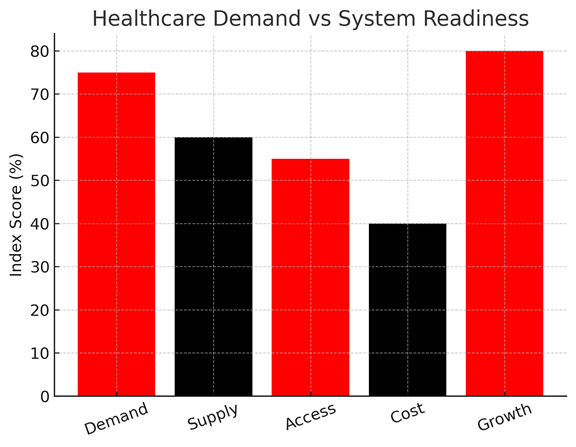
Every corner of Bangladesh—from Dhaka’s dense urban centers to remote chars and hill districts—faces rising healthcare needs. A younger population demands faster services, elderly patients need chronic disease monitoring, and rural families depend on accessible primary care. Non-communicable diseases such as heart disease, cancer, diabetes, and respiratory illnesses continue to rise, while infectious diseases still pose seasonal threats.
The pressure on the healthcare system is constant:
– Long waiting lines in public hospitals
– High costs at private hospitals
– Uneven distribution of doctors and specialists
– Limited emergency response capacity
– Insufficient coordination between different healthcare providers
A one-stop healthcare solution bridges these gaps by creating a seamless pathway for every patient—regardless of region, age, or economic background.
SUPPLY CHAIN CHALLENGES AND THE NEED FOR INTEGRATED SYSTEMS
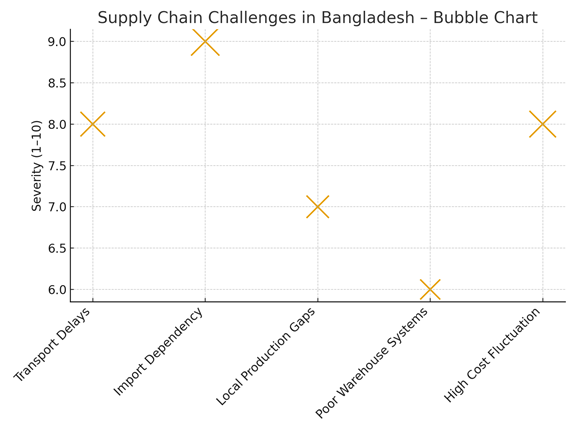
Behind the scenes, Bangladesh’s healthcare supply chain faces its own set of challenges. From medical devices to essential medicines, from surgical consumables to diagnostic chemicals, the supply chain often struggles with delays, shortages, and regional gaps in distribution. These complications affect hospitals, clinics, pharmacies, and ultimately patients.
An integrated one-stop healthcare ecosystem improves supply chain efficiency in several critical ways:
– Centralized procurement lowers cost and increases quality
– Streamlined distribution ensures uninterrupted access to medicines
– Better coordination reduces wastage, duplication, and stockouts
– Digital inventory management strengthens transparency
– Reliable logistics enhance rural and emergency care delivery
Such integration doesn’t only benefit patients—it strengthens national healthcare resilience.
WHY A ONE-STOP MODEL MATTERS NOW
Bangladesh’s healthcare system is evolving rapidly. The country has made remarkable progress in infant mortality reduction, immunization, and life expectancy. However, the next big leap requires modernizing the patient experience itself.
A one-stop healthcare model ensures:
1. Continuity of Care
Patients move smoothly from diagnosis to treatment to follow-up.
2. Accuracy and Safety
Centralized medical records reduce prescription errors and repeated tests.
3. Affordability
Bundled services lower overall cost for families and reduce out-of-pocket spending.
4. Accessibility
Rural communities benefit from telemedicine, mobile clinics, and digital reporting.
5. Trust
Families feel confident when services are unified under the same system.
For millions of Bangladeshis, this model would replace confusion with clarity, distance with convenience, and risk with reliability.
THE ROLE OF TECHNOLOGY IN REINVENTING HEALTHCARE
Digital transformation is the backbone of an effective one-stop solution. With smart integration, healthcare becomes more accessible, predictable, and patient-friendly. Telemedicine platforms allow rural patients to consult Dhaka-based specialists. Online diagnostics and reporting reduce hospital visits. Centralized data helps physicians make informed decisions.
Technology can:
– Create unified digital health records
– Enable automated appointment and follow-up reminders
– Improve remote care through video consultations
– Support AI-driven diagnostic interpretations
– Strengthen emergency response networks
When technology joins hands with medical expertise, Bangladesh gains a healthcare ecosystem built for the future.
THE ECONOMIC IMPACT OF HEALTHCARE INTEGRATION
Healthcare is not just a social sector—it is a major economic driver. A strong one-stop healthcare network stimulates growth in pharmaceuticals, diagnostics, biotechnology, medical devices, logistics, and digital health platforms.
Economic benefits include:
– Increased employment
– Boost to local manufacturing of medical products
– Reduced foreign dependency on healthcare services
– Growth of medical tourism
– Higher national productivity due to a healthier population
Good health is the foundation of human capital—and human capital is the engine of national development.
THE HUMAN SIDE: WHY BANGLADESHIS DESERVE THIS SYSTEM
Beyond policy, infrastructure, and technology, the greatest reason for a one-stop healthcare solution is always the people. Bangladeshis—from rickshaw pullers to garment workers, from schoolchildren to elderly grandparents—deserve a healthcare system that listens, supports, and responds.
No one should have to:
– Travel city to city for a single test
– Spend savings on repeat diagnostics
– Visit multiple clinics to understand a single illness
– Lose valuable time navigating a scattered system
A one-stop solution respects the dignity of every patient. It places humanity at the core of healthcare.
CONCLUSION
Bangladesh stands on the threshold of major transformation. A one-stop, total healthcare solution is not just innovative—it is essential. It bridges the gap between demand and supply, integrates fragmented services, empowers families, and strengthens the nation’s healthcare infrastructure.
In a country where every life matters, the path forward is clear:
Unify healthcare. Simplify access. Empower patients. Build resilience.
The future of healthcare in Bangladesh depends on our ability to think boldly, act strategically, and place people at the heart of every decision. A one-stop total healthcare solution is the doorway to a stronger, healthier, and more inclusive Bangladesh.