Wheelchairs are vital mobility aids for many individuals, allowing them to live independent and active lives. Regular cleaning and maintenance not only improve the aesthetic appeal of the wheelchair but also ensure its longevity and functionality. Whether you are a first-time wheelchair user or a caregiver, understanding how to clean a wheelchair properly is essential for maintaining both its appearance and performance.
In this article, we will explore the best practices for cleaning different parts of a wheelchair, including the seat, wheels, and frame. We will also answer common questions such as who uses wheelchairs, when was the first wheelchair invented, and how to clean wheelchair seats effectively.
Who Uses Wheelchairs?
Wheelchairs are used by people of all ages who face mobility challenges. The individuals who use wheelchairs may have temporary or permanent disabilities, illnesses, or injuries. Some common reasons why people may require a wheelchair include:
- Spinal cord injuries: Paraplegia or quadriplegia caused by accidents or diseases.
- Neurological disorders: Conditions like multiple sclerosis, cerebral palsy, and Parkinson’s disease.
- Chronic illnesses: Arthritis, diabetes, or other health conditions that impair mobility.
- Aging: Seniors who have trouble walking due to frailty, balance issues, or joint pain.
- Temporary injuries: Broken bones or surgery recovery.
For anyone who uses a wheelchair, regular cleaning and maintenance are crucial to ensure comfort and hygiene, while also prolonging the lifespan of the wheelchair.
When Was the First Wheelchair Invented?
The history of the wheelchair dates back centuries. The first known wheelchair design was invented in 1595 by Stephen Farfler, a German watchmaker who had a disability. His design was a simple chair with three wheels and was self-propelled, allowing him to move independently. While Farfler’s creation was groundbreaking, wheelchairs as we know them today have evolved significantly over the centuries.
The modern manual wheelchair we recognize today, which has become synonymous with comfort and mobility, was invented in the 20th century. This advancement was mainly driven by the need for greater comfort and usability. With the advent of electric wheelchairs and the constant improvement in materials and technology, wheelchairs have become a crucial part of improving the quality of life for millions of people worldwide.
Why Clean a Wheelchair?
A wheelchair is exposed to various elements such as dirt, dust, sweat, food crumbs, and even bacteria. Over time, neglecting regular cleaning can lead to:
- Discomfort: Accumulating dirt can make the seat and backrest uncomfortable for users.
- Damage: Dirt and grime can build up on the wheels, causing them to become clogged or less efficient. Neglecting the frame and upholstery can result in wear and tear.
- Hygiene concerns: Dirty wheelchairs can harbor bacteria, germs, or even mold, which can lead to infections or other health issues, especially for users with compromised immune systems.
By regularly cleaning your wheelchair, you ensure its hygiene and functionality, as well as promote comfort and extend its life.
How to Clean a Wheelchair: Step-by-Step Guide
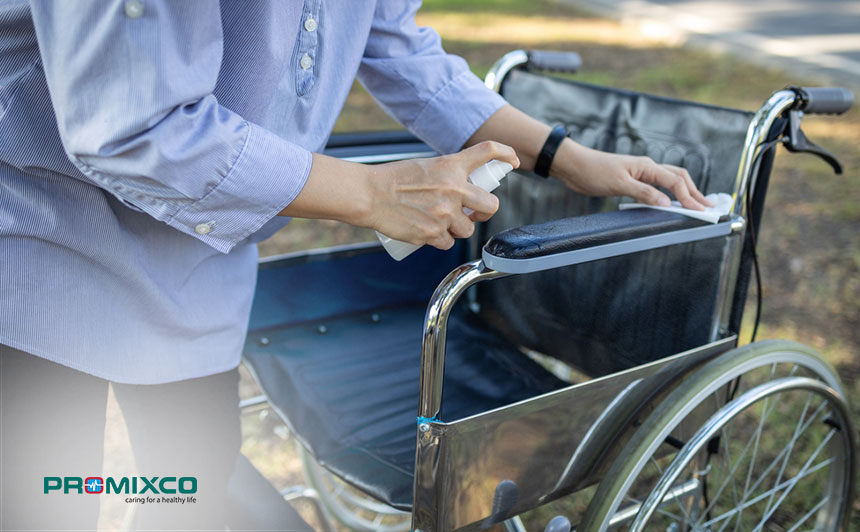
Cleaning a wheelchair involves several components, including the seat, wheels, frame, and upholstery. Here’s how to clean each part of the wheelchair for optimal results.
1. Cleaning the Seat and Backrest
Cleaning the wheelchair seat and backrest is essential for hygiene and comfort. Here’s how to do it:
- Step 1: Remove the cushions if possible. Many wheelchairs come with removable cushions that can be cleaned separately.
- Step 2: Use a damp cloth and mild detergent to wipe down the fabric of the seat and backrest. Avoid using harsh chemicals that could damage the material.
- Step 3: For stubborn stains, consider using a fabric cleaner designed for upholstery. Test it in a small area first to ensure it won’t cause damage.
- Step 4: Let the fabric air dry completely before reattaching the cushions to avoid any moisture buildup.
- Step 5: If your wheelchair has vinyl or leather upholstery, clean it using a cleaner specifically designed for such materials, ensuring it is free from any soap or residue.
2. Cleaning the Wheels
The wheels of a wheelchair come in contact with dirt, dust, and even mud. They require frequent cleaning to ensure smooth operation.
- Step 1: Begin by wiping down the wheels with a dry cloth to remove dust and debris. Pay close attention to the tread of the wheels as dirt can accumulate here, affecting their grip and performance.
- Step 2: If the wheels are particularly dirty, use a brush (such as a soft-bristle brush) and a mild soap solution to scrub away any grime or grease.
- Step 3: After cleaning, dry the wheels thoroughly with a towel to prevent rusting or corrosion, especially on the metal parts.
- Step 4: For rubber wheels, you may also want to lubricate the axles to keep them moving smoothly.
3. Cleaning the Frame
The frame of the wheelchair can accumulate dust, dirt, and even oil, especially in the joints and moving parts. Cleaning the frame regularly will ensure smooth movement and prevent wear.
- Step 1: Use a damp cloth to wipe down the frame, including the arms, footrests, and undercarriage. Be sure to get into crevices where dust and dirt can gather.
- Step 2: For a deeper clean, use a mild soap solution and a microfiber cloth. Avoid abrasive cleaners that may scratch the frame.
- Step 3: Check for any loose bolts or parts, and tighten them as necessary.
- Step 4: Dry the frame thoroughly after cleaning to prevent rust or water damage.
4. Special Considerations for Electric Wheelchairs
If you’re cleaning an electric wheelchair, extra care should be taken with the electrical components. Here’s what you need to do:
- Step 1: Always turn off the power before cleaning any electronic components. Disconnect the battery if possible.
- Step 2: Clean the frame and wheels the same way as a manual wheelchair.
- Step 3: For the electronics and wires, use a soft, dry cloth to remove dust and dirt. Be cautious not to get the motor or battery wet.
How to Clean Wheelchair Seats Effectively
When it comes to cleaning wheelchair seats, the process varies depending on the material. For fabric seats, regular vacuuming can help remove dust and crumbs. For more thorough cleaning, follow the steps outlined earlier, including using a mild detergent and allowing the fabric to air dry.
For vinyl or leather seats, wiping down with a damp cloth and using appropriate cleaners is key to maintaining the upholstery’s durability.
Additional Tips for Wheelchair Maintenance
- Check for Wear and Tear: Regularly inspect your wheelchair for any signs of damage or wear, especially on the wheels and the frame.
- Lubrication: Apply lubricant to the joints and moving parts to ensure smooth operation.
- Storage: When not in use, store the wheelchair in a clean, dry area to prevent exposure to dirt, moisture, or sun damage.
Conclusion
Proper maintenance and cleaning of a wheelchair are essential for ensuring its comfort, hygiene, and longevity. Whether you are a caregiver or a user, learning how to clean a wheelchair correctly can enhance the quality of life for those who rely on these mobility aids. By cleaning the seat, wheels, and frame regularly and paying attention to special materials, you can keep the wheelchair in top condition.
Regular cleaning helps not only in improving the appearance but also in preventing issues related to comfort, hygiene, and functionality. So, the next time you ask, “How to clean a wheelchair?”, remember that it’s all about consistency and using the right techniques to keep things running smoothly.
In the end, taking the time to clean and maintain your wheelchair ensures that it continues to serve its purpose effectively, allowing you or your loved one to stay mobile, independent, and comfortable.
Frequently Asked Questions (FAQs) about Cleaning a Wheelchair
How often should I clean my wheelchair?
It’s recommended to clean your wheelchair at least once a week, especially if it’s used daily. However, if it gets dirty more frequently due to outdoor use or accidents, cleaning it more often will help maintain its hygiene and functionality. Regular cleaning also prevents buildup of dirt, grease, and germs.
What cleaning supplies do I need to clean a wheelchair?
To clean a wheelchair, you will need:
A soft cloth or microfiber towels
Mild soap or detergent
A soft-bristle brush for cleaning wheels and crevices
Fabric or upholstery cleaner (if needed)
A damp cloth for wiping down surfaces
Lubricant (for metal parts and joints)
Avoid using harsh chemicals, as they may damage the frame, fabric, or other components of the wheelchair.
Can I use a pressure washer to clean my wheelchair?
No, you should not use a pressure washer to clean your wheelchair. The high-pressure water can damage the components, especially the upholstery, electronics (in the case of electric wheelchairs), and moving parts. Always opt for gentle cleaning methods using damp cloths and soft brushes.
How do I clean wheelchair wheels?
To clean wheelchair wheels:
Wipe them with a dry cloth to remove loose dirt and debris.
Use a soft-bristle brush and mild soap solution to scrub the wheels, especially the tread area where dirt can accumulate.
Dry the wheels thoroughly with a towel to prevent rust or damage.
If the wheels are made of rubber, lubricate the axles occasionally to ensure smooth movement.
Can I clean the upholstery of my wheelchair with water?
You can clean most wheelchair upholstery with water, but it’s best to use a damp cloth instead of soaking it. Excessive moisture can damage fabric or upholstery over time. For fabric seats, consider using a fabric cleaner or mild detergent to remove stains. For vinyl or leather seats, use a cleaner appropriate for those materials.
How do I clean a wheelchair seat with stains?
For stains on a wheelchair seat, first try blotting the area with a damp cloth to lift the stain. If it persists, apply a mild upholstery cleaner, following the instructions on the product. Test the cleaner in an inconspicuous area first to ensure it won’t damage the fabric or upholstery. Always allow the seat to air dry completely before using it again.
Can I clean a powered wheelchair the same way as a manual one?
The general cleaning process for powered wheelchairs is similar to manual wheelchairs, but you should take extra care around the electrical components. Always turn off the power and disconnect the battery before cleaning. Use a soft, dry cloth to clean the electronics, and avoid getting water near the motor or battery. For the frame and wheels, follow the same steps as for manual wheelchairs.
How do I clean the footrests of my wheelchair?
To clean the footrests, wipe them down with a damp cloth. For more stubborn dirt, use a mild soap solution and a soft brush to scrub the footrests. If they are made of plastic or metal, you can also use a non-abrasive cleaner to maintain their shine and durability. Be sure to dry them completely after cleaning to avoid any rusting or slipping.
What should I do if my wheelchair is showing signs of rust or corrosion?
If you notice rust or corrosion on your wheelchair, clean the affected areas with a soft cloth and mild soap solution. For light rust, you can use a rust remover or gently scrub the area with fine steel wool or sandpaper. After cleaning, apply a rust-resistant coating or lubricant to prevent further corrosion.
How do I maintain the comfort and hygiene of a wheelchair cushion?
To maintain the comfort and hygiene of a wheelchair cushion:
Regularly remove the cushion and vacuum it to remove dust and debris.
Spot clean stains with a fabric cleaner or mild detergent.
Wash the cushion cover if it’s machine washable. Check the label for care instructions.
If the cushion has a foam core, make sure it dries completely after cleaning to prevent mold and bacteria growth.
For specialized cushions (like those used for pressure relief), follow the manufacturer’s guidelines for cleaning and maintenance.
Is there any specific maintenance for outdoor wheelchairs?
Outdoor wheelchairs may accumulate more dirt, dust, and debris due to exposure to different surfaces like grass, gravel, or mud. You should clean outdoor wheelchairs more frequently to ensure optimal performance. Be sure to wipe down the wheels, remove dirt from the tread, and inspect the chair for any potential damage from rough surfaces. Always dry the wheelchair thoroughly to prevent rust and wear.
Can I use disinfectants on my wheelchair?
Yes, you can use disinfectants on your wheelchair, but it’s essential to choose a mild disinfectant that is safe for the materials of your wheelchair (such as fabric, vinyl, or metal). Avoid using harsh chemicals like bleach, which can damage the upholstery and frame. After applying a disinfectant, wipe down all surfaces with a clean, damp cloth to remove any residue.
How do I prevent odor buildup on a wheelchair?
To prevent odor buildup:
Clean the wheelchair regularly, paying special attention to the seat, footrests, and wheels.
Keep the cushion dry and clean, as moisture can contribute to odors.
If you notice a persistent odor, use a fabric freshener or odor neutralizer specifically designed for upholstery.
Store the wheelchair in a clean, dry area when not in use to avoid any mold or mildew buildup.
By regularly cleaning and maintaining your wheelchair, you can ensure it remains in excellent condition, enhancing its comfort and durability while also supporting the hygiene and health of the user.