There is a moment familiar to anyone who has spent time in a hospital — as a patient, a caregiver, or a visitor — when the environment itself begins to feel like part of the problem. The fluorescent lights hum overhead. The chair beside the bed digs into your back after an hour. The room feels clinical, impersonal, and faintly hostile to the idea of rest. Everything around you seems designed for efficiency, not for healing.
That experience is not inevitable. It is the result of design choices — and design choices can be changed.
Across the world, a quiet revolution is underway in how hospitals think about their physical environments. Driven by decades of research in evidence-based design, patient-centered care philosophy, and rapid advances in materials and technology, healthcare institutions are reimagining their spaces from the ground up. And at the center of that reimagining — often overlooked but increasingly recognized as transformative — is smart furniture.
This blog explores how thoughtfully designed, technologically integrated, and human-centered furniture is transforming hospital environments into genuine healing spaces.
What Makes a Space a Healing Space?
Before we can understand how furniture transforms hospital environments, we need to understand what a healing space actually is — and what it is not.
A healing space is not simply a space that looks pleasant. It is not a hospital lobby with a water feature and soft lighting, while the patient rooms remain sterile and uncomfortable. A healing space is one in which every element of the physical environment — light, sound, air, layout, and furniture — is actively working to support the physical and psychological recovery of the people within it.
The science behind this idea is robust. Research going back to the early 1980s has demonstrated that patients recovering in rooms with natural light and views of nature had shorter hospital stays, required less pain medication, and reported higher satisfaction than those in windowless or view-deprived rooms. Subsequent decades of research have expanded these findings dramatically. We now know that noise levels, air quality, room temperature, the ease of controlling one’s own environment, and the comfort of one’s immediate surroundings all have measurable effects on clinical outcomes.
Furniture is where many of these variables intersect. The bed determines how well a patient sleeps. The chair determines whether a family member stays or leaves. The overbed table determines whether eating is a comfortable, dignified experience or a frustrating ordeal. The layout of furniture in a room determines how freely a patient can move, how easily staff can access them, and how private or exposed a person feels during vulnerable moments.
Furniture is not decoration. In a hospital room, furniture is environment.
The Shift from Passive to Active: What Smart Furniture Actually Does
For most of history, hospital furniture has been passive. A bed held a patient. A chair provided a surface to sit on. A table offered somewhere to put things. The furniture did not interact with the patient, did not communicate with the care team, and did not adapt to changing needs.
Smart furniture changes all of that. The term covers a wide spectrum of technologies and capabilities, but at its core, smart hospital furniture is furniture that senses, responds, communicates, and adapts.
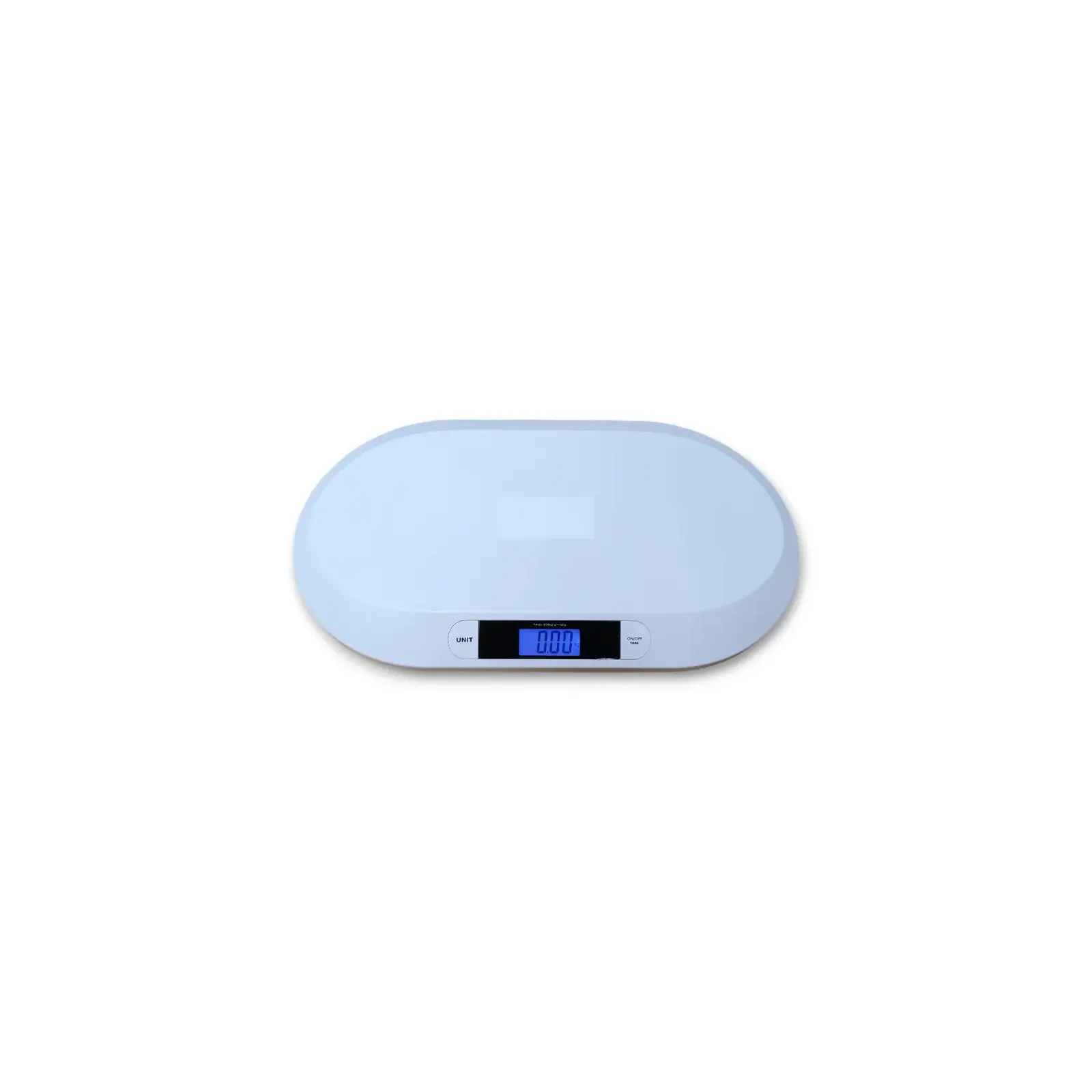
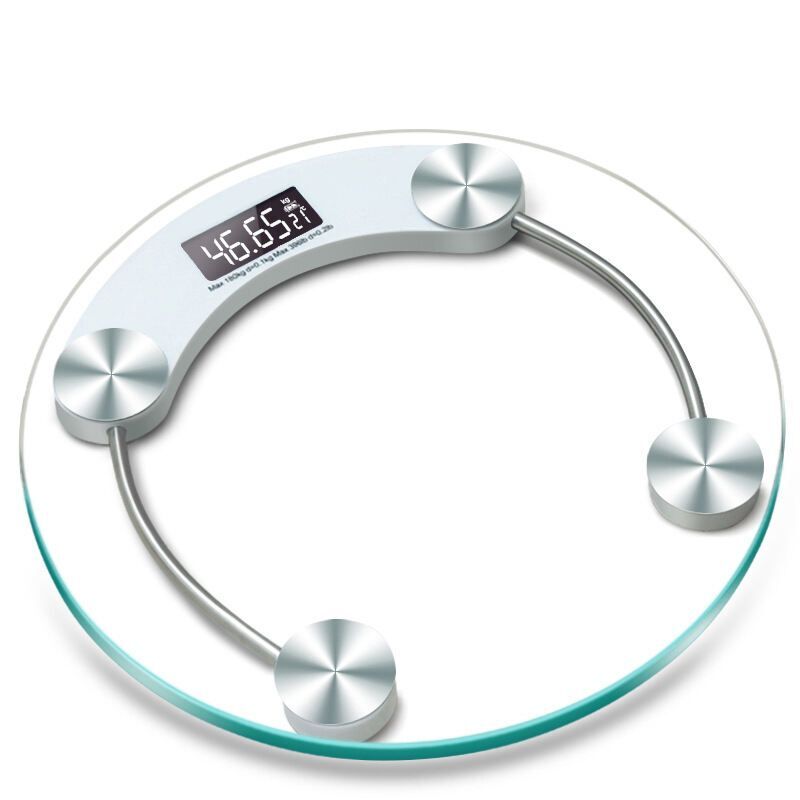
Sensing is perhaps the most transformative capability. Modern smart beds are equipped with an array of sensors that continuously monitor the patient without requiring physical contact. Load sensors embedded in the bed frame can measure a patient’s weight with clinical accuracy, enabling continuous monitoring without the disruption of a transfer to a weighing scale. Movement sensors can detect when a patient is attempting to leave the bed, triggering an alert before a fall occurs. Respiratory and cardiac sensors can monitor breathing rate and heart rhythm through the mattress surface, providing early warning data that can prompt life-saving intervention.
Responding means that smart furniture can change its own configuration in response to data. A bed that detects early signs of pressure injury risk — based on how long a patient has been in the same position — can automatically initiate micro-adjustments to the mattress to redistribute pressure. A chair equipped with posture sensors can vibrate gently to prompt a patient to shift position. A room environment system integrated with bed sensors can automatically adjust lighting when a patient begins to stir at night, reducing the risk of a disoriented fall.
Communicating connects furniture to the broader digital healthcare ecosystem. Smart beds can transmit position data, exit alerts, and physiological readings directly to the nurse call system and the electronic health record. This means the care team has real-time visibility into patient status without needing to be physically present at the bedside at every moment — freeing nurses to focus their attention where it is most needed while maintaining continuous monitoring across an entire ward.
Adapting means that smart furniture can be personalized to the needs of the individual patient. A bed that stores position preferences and can return to them at the touch of a button. A room environment system that remembers a patient’s preferred lighting level and temperature. These small personalization capabilities have an outsized impact on patient experience, giving people a degree of control and familiarity in an environment where so much is unfamiliar and beyond their control.
Human-Centered Design: Putting the Patient at the Middle
Technology alone does not make a healing space. The most sophisticated smart bed in the world will not transform a hospital environment if it is cold, difficult to use, or designed without genuine understanding of what patients and families actually need.
Human-centered design — an approach that places the lived experience of the end user at the center of every design decision — is the philosophy that separates truly transformative hospital furniture from merely technologically impressive furniture.
In practice, human-centered hospital furniture design begins with research. Designers spend time observing how patients actually use their rooms. They interview nurses about what features genuinely help them and which supposed innovations create more work than they eliminate. They speak with family members about the experience of keeping watch at a bedside. They involve occupational therapists and physiotherapists in understanding how furniture supports or hinders rehabilitation.
What emerges from this research often surprises designers who have not done it. Patients, for example, consistently report that the ability to control their own environment — to dim a light, adjust their bed position, or call for help without having to shout — is enormously important to their sense of dignity and wellbeing. Simple control interfaces that can be operated by people with limited hand strength or dexterity, patients who are confused or distressed, or elderly individuals unfamiliar with technology are therefore not minor details. They are central design requirements.
Family members consistently report that their ability to be present and comfortable in the patient’s room directly affects both their own wellbeing and their ability to provide meaningful support to the patient. A bedside chair that is genuinely comfortable for extended sitting, that can be positioned close to the bed, and that offers some possibility of rest sends a powerful message: families are welcome here, and their presence is valued. A single uncomfortable chair shoved into a corner sends an equally powerful opposite message.
Nurses report that furniture which interferes with their work — beds that cannot be easily raised to working height, storage units positioned so that accessing supplies requires awkward reaching or bending, overbed tables that roll away unpredictably — adds physical and cognitive burden to already demanding shifts. Furniture that is designed with nursing workflows in mind reduces that burden, improves the quality of care that nurses can deliver, and contributes to staff wellbeing and retention.
Modularity and Flexibility: Designing for Change
One of the most important qualities of smart hospital furniture in the modern era is modularity — the ability to reconfigure spaces rapidly in response to changing needs.
The COVID-19 pandemic exposed, with brutal clarity, how rigid hospital infrastructure can be when sudden surges in patient volume require rapid reconfiguration. Units designed for one purpose had to be converted to another almost overnight. Furniture that could be easily moved, reconfigured, or repurposed was invaluable. Furniture that was fixed, heavy, or deeply integrated into a specific room layout became an obstacle.
Modular hospital furniture systems are designed with this flexibility in mind. Bed systems that can be adapted with different modules — standard mattress, alternating pressure mattress, bariatric extension — without replacing the entire frame. Storage units that can be reconfigured to suit different clinical specialties. Seating that can serve multiple functions — examination, rehabilitation, family accommodation — without requiring separate furniture for each purpose.
This modularity also makes smart furniture more economically sustainable. Rather than replacing entire furniture systems as clinical needs evolve, hospitals can upgrade individual components — adding a new sensor module to an existing bed frame, for example, or replacing a standard mattress with a pressure management system — at a fraction of the cost of wholesale replacement.
Designing for Specific Healing Environments
Not all hospital spaces have the same healing requirements, and smart furniture design must be attuned to the specific needs of different clinical environments.
In the intensive care unit, where patients are critically ill and may be unconscious or heavily sedated, the primary design goals are clinical access, infection control, and the ability to rapidly reconfigure around complex medical equipment. Smart ICU beds are engineered to integrate seamlessly with ventilators, infusion pumps, and monitoring systems, with cable management built into the bed frame to prevent the hazardous tangle of wires that characterizes poorly designed critical care environments. Family seating in ICUs must balance the need for proximity — families need to feel close to their loved ones — with the reality that clinical staff need rapid, unobstructed access to the patient at all times.
In pediatric wards, the healing environment requires a completely different sensibility. Children experience hospitals through a lens of fear and unfamiliarity, and furniture that is scaled for adult bodies and designed in clinical tones does little to ease that fear. Smart pediatric furniture uses color, shape, and interactivity to create environments that feel less threatening. Beds designed with side panels that can display reassuring images or animations. Chairs sized for children’s bodies and positioned so that a parent and child can be close together. Entertainment and distraction features — tablet mounts, connectivity for personal devices — that help children feel connected to their normal lives.
In rehabilitation units, furniture must actively support the process of regaining function. Chairs that challenge patients appropriately — not so easy that they require no effort, not so difficult that they create fall risk — support the graduated progression that rehabilitation requires. Smart exercise furniture that tracks repetitions, measures force, and provides feedback helps patients understand their progress and motivates continued effort. Adjustable workstations that can be used from a standing or seated position support the transition back to normal activities of daily living.
In palliative and end-of-life care settings, the healing environment takes on yet another meaning. Here, healing is not about cure or rehabilitation — it is about comfort, dignity, peace, and the quality of the time that remains. Furniture in these settings must prioritize softness, warmth, and homeliness. Beds that allow easy position adjustment for comfort management. Sofa-style family seating that allows families to be close and physically connected with their loved ones. Lighting systems that can create warm, gentle atmospheres rather than clinical brightness. The goal is to make these spaces feel as little like a hospital, and as much like a place of profound human care, as possible.
The Business Case for Investing in Healing Environments
For hospital administrators wrestling with constrained budgets and competing priorities, the investment required to create genuine healing environments through smart, human-centered furniture can seem hard to justify. It is worth being clear about what that investment actually returns.
Reduced length of stay is perhaps the most significant economic return. Patients in better-designed environments — with lower noise, better light, more comfortable furniture, and greater control over their surroundings — consistently recover faster and leave hospital sooner. Even a fraction of a day’s reduction in average length of stay across a large hospital represents enormous financial savings and frees beds for additional patients.
Reduced adverse events — falls, pressure injuries, healthcare-associated infections — each of which carries significant clinical, financial, and reputational costs, are directly mitigated by well-designed furniture. A fall that results in a hip fracture can extend a hospital stay by weeks and generate liability costs that dwarf the cost of the fall prevention features that could have prevented it.
Staff satisfaction and retention is a less-discussed but critically important return on investment. Nursing shortages are among the most serious challenges facing healthcare systems globally, and the physical working environment is a significant factor in staff wellbeing and decisions about whether to remain in a role. Furniture that reduces the physical burden of nursing work and makes clinical tasks easier is an investment in the workforce.
Finally, patient satisfaction — measured through formal surveys in most healthcare systems — affects hospital funding, reputation, and competitive positioning. Patients who feel that their environment was designed with genuine care and attention give higher satisfaction scores, are more likely to recommend the institution to others, and are more likely to comply with follow-up care recommendations.
Conclusion
The transformation of hospital environments into genuine healing spaces is one of the most important and underappreciated challenges in modern healthcare. It requires rethinking assumptions about what hospitals are for, who they serve, and what every element of their physical environment communicates to the people within them.
Smart furniture — sensing, responding, communicating, adapting, and always designed around the human beings who use it — is at the heart of this transformation. It is not a peripheral concern or an aesthetic upgrade. It is a clinical tool, a safety system, a communication platform, and a statement of values.
When a hospital invests in healing environments, it is saying something profound to its patients: you are not just a case to be managed here. You are a person, and this space was designed for you.
That message, delivered through every surface, every adjustment mechanism, every thoughtful design decision, is itself part of the healing.