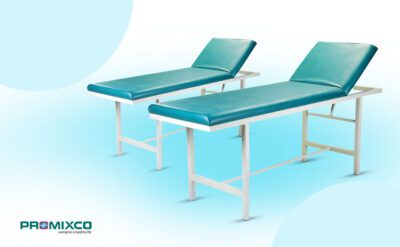
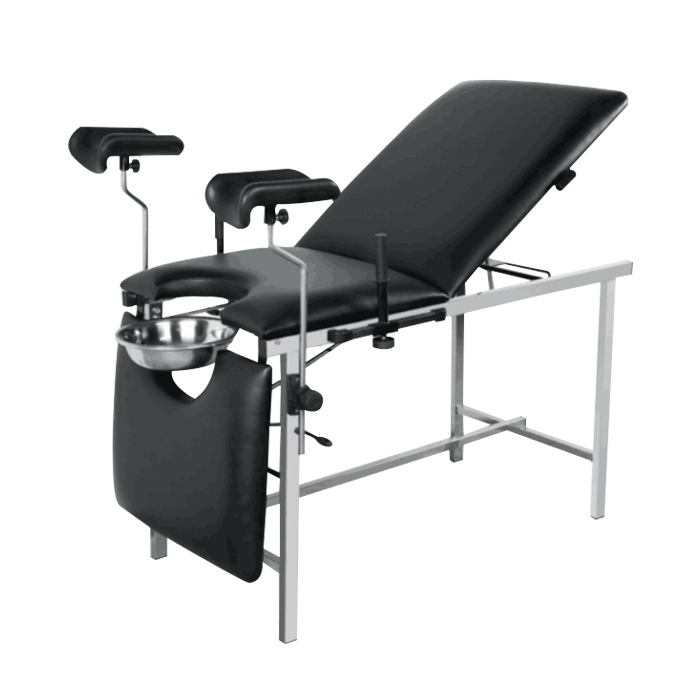
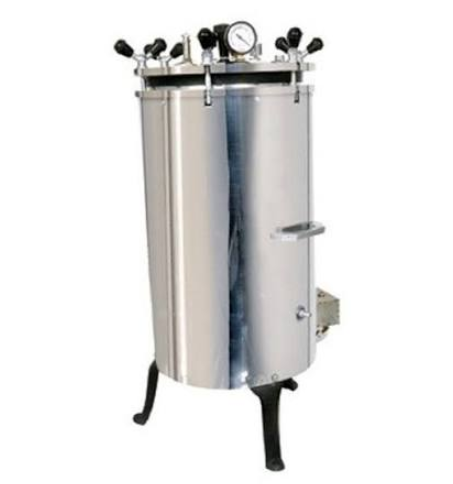
Walk into any modern hospital today and you will notice something different from the institutions of fifty years ago. The walls are softer in color, the lighting less harsh, the spaces more thoughtfully arranged. But look more closely, and you will see that the most significant changes have happened not in the architecture or the technology, but in the furniture. The beds, the chairs, the storage units, the waiting room seating — all of it has been quietly, systematically redesigned to meet a much higher standard than comfort alone.
Today’s hospital furniture must deliver on two equally important promises: comfort that supports healing, and safety that protects patients, staff, and visitors from harm. These two demands are not always easy to balance, and the history of healthcare furniture is, in many ways, the story of learning how to honor both at the same time.
This blog takes a deep look at what modern hospital furniture must deliver — and why getting it right matters more than most people realize.
The Dual Mandate: Comfort and Safety
For most of the twentieth century, hospital furniture was designed with a narrow focus. Beds were built for durability and ease of cleaning. Chairs were functional at best. The emotional and physical comfort of patients was considered secondary to clinical efficiency. A hospital was a place you went to be treated, not a place designed around your experience.
That philosophy has shifted dramatically. Decades of research in patient-centered care have demonstrated that comfort and safety are not competing priorities — they are complementary ones. A patient who is physically comfortable sleeps better, experiences less anxiety, cooperates more readily with treatment, and recovers more quickly. A patient who feels safe — who is not at risk of falling, not exposed to infection, not struggling with equipment they cannot operate — is a patient whose clinical outcomes are measurably better.
Modern hospital furniture is now designed with both mandates written into every specification. This is not a luxury upgrade. It is a clinical imperative.
Comfort: The Physical Dimension
Comfort in hospital furniture begins with the body. A patient confined to a bed for days or weeks is placing enormous demands on a single surface, and the consequences of getting that surface wrong are serious.
Pressure injuries — commonly known as bedsores — are among the most painful and dangerous complications of prolonged bed rest. They develop when sustained pressure on the skin reduces blood flow to underlying tissue, causing it to break down. In severe cases, pressure injuries can penetrate through skin, fat, and muscle down to bone, and they can be life-threatening, particularly in elderly or immunocompromised patients. A significant proportion of pressure injuries are considered preventable, and mattress and bed design is one of the most important preventive tools available.
Modern hospital mattresses are engineered specifically to address this risk. Alternating pressure mattresses use air cells that inflate and deflate in sequence, continuously redistributing pressure across the body. Low-air-loss systems allow air to escape through the mattress surface, reducing moisture and heat — two factors that accelerate skin breakdown. Viscoelastic foam layers contour to the body’s shape, reducing peak pressure at bony prominences like the heels, hips, and sacrum.
Beyond the mattress, the bed frame itself plays a critical comfort role. Electric articulation — the ability to raise the head of the bed, elevate the legs, or adjust the overall height — allows patients to find positions that relieve pain, ease breathing, or simply provide a change from lying flat. For post-surgical patients, patients with respiratory conditions, or those recovering from cardiac events, the ability to position themselves precisely is not a small convenience. It is clinically significant.
Seating comfort follows similar principles. A patient chair that is too low, too hard, or impossible to exit without assistance is not merely uncomfortable — it is a barrier to rehabilitation. Getting patients upright and out of bed as soon as clinically appropriate is a cornerstone of modern recovery protocols, particularly after surgery. Patient chairs and recliners that support this transition — with firm armrests for pushing up, elevated seat heights, and stable footrests — actively contribute to clinical goals.
Safety: The Non-Negotiable Foundation
Comfort matters enormously, but safety is the non-negotiable foundation on which everything else rests. In a healthcare environment, the consequences of a safety failure can be catastrophic — a patient falls and fractures a hip, an infection spreads from a contaminated surface, a staff member injures their back operating a poorly designed bed. Every piece of hospital furniture must be engineered to prevent these outcomes.
Fall Prevention
Falls are the most common adverse event in hospitals. Every year, hundreds of thousands of patients fall during hospital stays, resulting in injuries ranging from bruises and lacerations to fractures, head trauma, and death. Older patients, those on certain medications, and those recovering from surgery or neurological events are at particularly high risk.
Hospital furniture plays a central role in fall prevention. Beds with height-adjustable frames allow nurses to position the bed at its lowest point — close to the floor — when a high-risk patient is resting, minimizing the distance and impact of a potential fall. Integrated bed exit alarms alert nursing staff the moment a patient begins to leave the bed unassisted. Side rails — when used appropriately — provide handholds for patients repositioning themselves while also serving as a visual boundary.
Chairs designed with fall prevention in mind have armrests that extend far enough forward to provide leverage for standing, non-slip feet that do not slide on hard floors, and seat heights appropriate for the patient population. Overbed tables with stable, locking wheel mechanisms do not roll away when a patient leans on them for support — a critical detail that is easy to overlook and dangerous to get wrong.
Infection Control
Healthcare-associated infections are a global public health crisis. Millions of patients acquire infections during hospital stays every year, and many of these infections are caused or transmitted by contaminated surfaces — including furniture surfaces. In a hospital environment, every surface that a patient or clinician touches is a potential vector for pathogens including MRSA, Clostridium difficile, and, as the world learned acutely in recent years, respiratory viruses.
Modern hospital furniture is designed from the ground up with infection control in mind. This means:
Seamless surfaces: Traditional upholstered furniture with stitched seams, buttons, and tufting provides ideal hiding places for bacteria and bodily fluids. Modern healthcare seating uses heat-welded seams and single-piece moulded surfaces that eliminate crevices where pathogens can accumulate.
Antimicrobial materials: Many manufacturers now incorporate antimicrobial agents — including silver ions and copper compounds — directly into the materials used to make furniture surfaces. These materials actively inhibit the growth of bacteria on contact, providing an additional layer of protection between cleaning cycles.
Chemical resistance: Hospital furniture is cleaned with industrial-grade disinfectants, often multiple times per day. Materials must be able to withstand repeated exposure to these agents without degrading, discoloring, or developing micro-cracks that become reservoirs for contamination. Material selection for hospital furniture now routinely includes testing against the full spectrum of cleaning agents used in clinical practice.
Minimal complexity: Every join, hinge, wheel socket, and adjustment mechanism is a potential site for contamination. Furniture with simpler designs — fewer moving parts, fewer joints, smoother transitions between components — is inherently easier to clean and lower-risk from an infection control standpoint.
Ergonomics for Staff
Safety in hospital furniture is not only about patients. Healthcare workers are among the most physically burdened professionals in any industry. Nurses, in particular, perform enormous amounts of manual handling — repositioning patients, adjusting beds, assisting with transfers — and musculoskeletal injuries are epidemic in the profession. Back injuries, shoulder strain, and repetitive stress conditions are major contributors to nursing staff absences, burnout, and early career exits.
Hospital furniture has a direct impact on this. Beds that can be raised to the appropriate working height eliminate the need for nurses to bend over patients, dramatically reducing spinal loading. Integrated patient-handling features — including turning aids, transfer boards, and lateral tilt functions built into the bed — allow staff to reposition patients with far less physical effort. Even the weight and maneuverability of furniture like overbed tables and bedside lockers affects how much physical strain staff experience during routine tasks.
Investing in ergonomically designed hospital furniture is an investment in workforce sustainability. A nurse who is not in chronic pain is a nurse who can focus fully on patient care.
Durability: The Bridge Between Comfort, Safety, and Value
Comfort and safety must be sustained over time. A bed that is perfectly comfortable and impeccably safe on day one but deteriorates within three years is not delivering on its promise. Hospital furniture operates in one of the most demanding environments imaginable — constant use, industrial cleaning, exposure to bodily fluids, and the physical demands of patients with widely varying body types and needs.
Durability is therefore not a separate consideration from comfort and safety — it is the bridge that connects them to long-term value. Furniture that maintains its structural integrity, its surface quality, and its functional performance over a decade of intensive use is furniture that continues to protect and comfort patients year after year.
This is why material science has become such a critical part of hospital furniture design. Frame materials — typically steel or aluminum alloys — are selected for strength-to-weight ratio and resistance to corrosion. Surface materials are tested not just for initial performance but for long-term resilience under simulated use conditions. Mechanical components like actuators, hinges, and locking systems are rated for hundreds of thousands of cycles.
Total cost of ownership — not just purchase price — is the correct metric for evaluating hospital furniture. A cheaper product that needs to be replaced in half the time, or that requires costly maintenance, or that contributes to a fall or infection that results in a liability claim, is not cheaper at all. It is significantly more expensive when all costs are properly accounted for.
Accessibility and Inclusivity
Modern hospital furniture must also deliver on accessibility — ensuring that patients of all ages, sizes, abilities, and backgrounds can use it safely and with dignity.
Bariatric patients, for example, require furniture rated for higher weight capacities and designed with wider dimensions. Standard hospital beds and chairs can exclude patients who fall outside standard size parameters, forcing them to use equipment that is unsafe or deeply uncomfortable. Bariatric-rated beds, chairs, and toilet frames are an accessibility issue as much as a clinical one, and hospitals that do not provide them are failing a portion of their patient population.
Patients with physical disabilities, cognitive impairments, or sensory limitations have specific furniture needs that must be considered in procurement decisions. Controls that are operable with limited hand strength or dexterity, visual contrast features that help patients with low vision identify furniture edges and handles, and surfaces that are not disorienting for patients with sensory sensitivities — these are all dimensions of inclusive furniture design.
Culturally appropriate considerations also matter. In some cultural contexts, floor-level seating or specific privacy features are important to patients’ dignity and wellbeing. A truly patient-centered furniture strategy takes these dimensions into account.
The Role of Technology
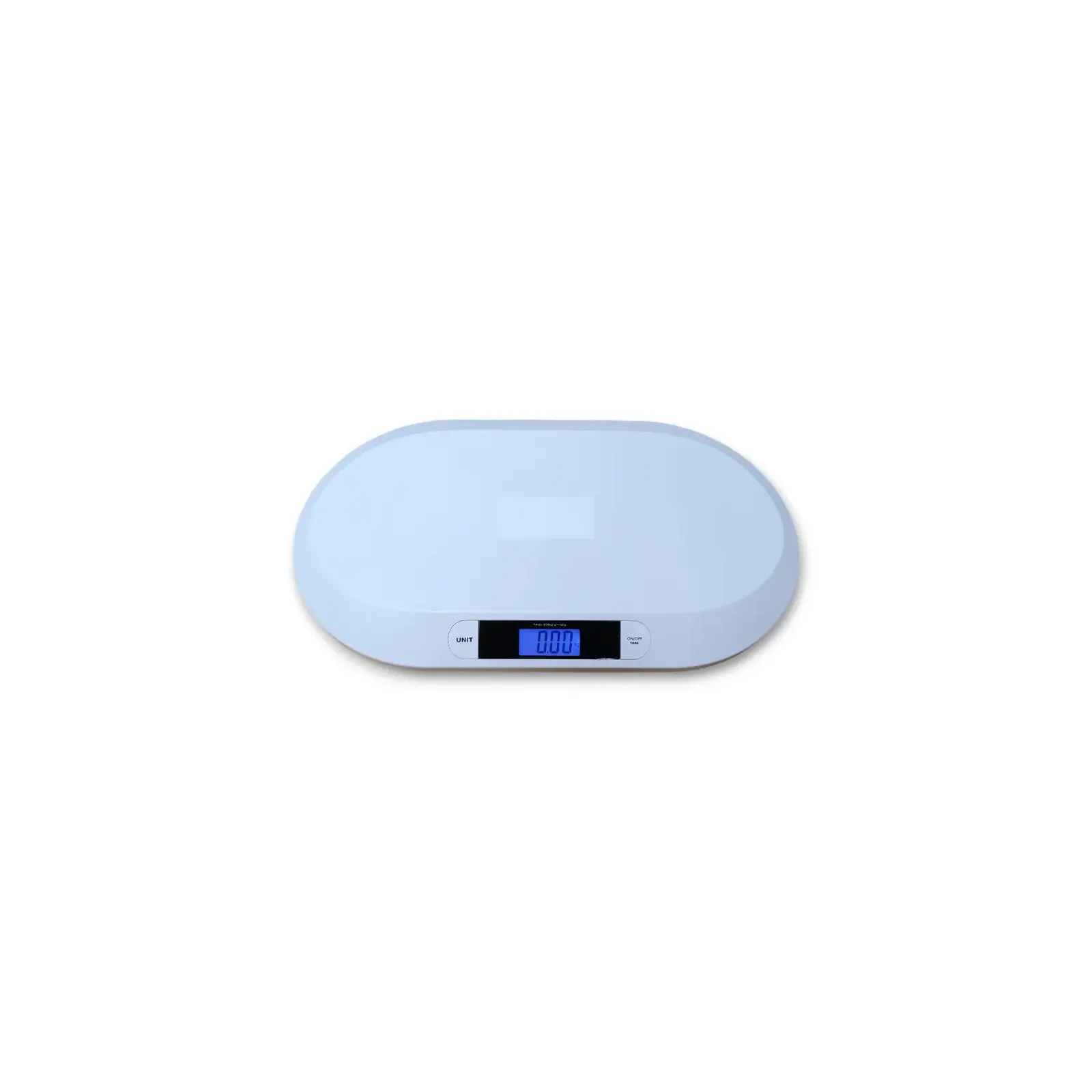
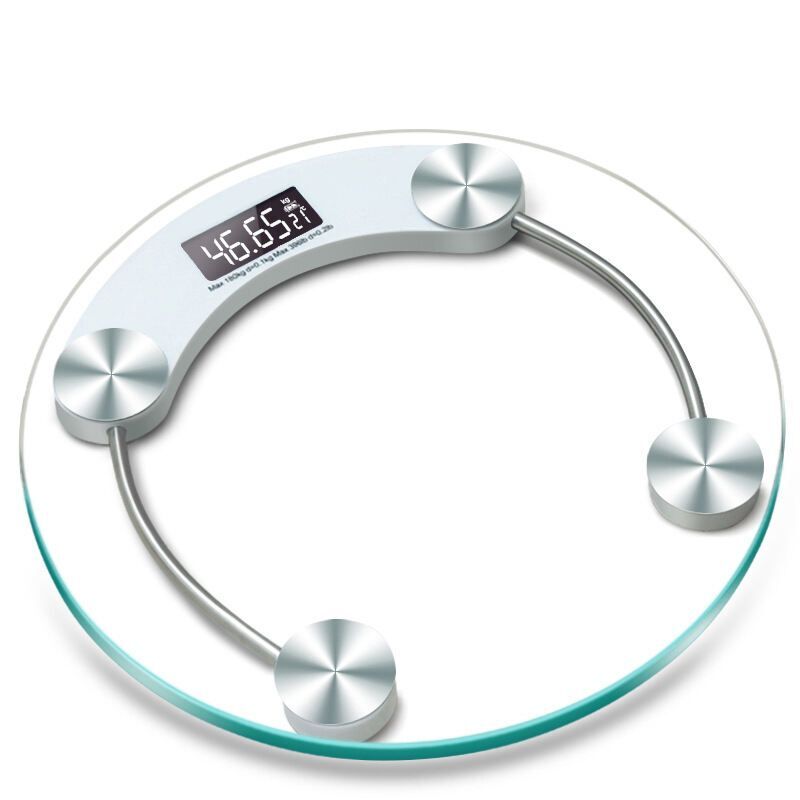
Technology is increasingly embedded in hospital furniture in ways that enhance both comfort and safety. Smart beds can monitor a patient’s respiratory rate, heart rate, and movement patterns, alerting clinicians to early warning signs without requiring physical assessment. Weight-integrated bed systems allow patients to be monitored continuously without the discomfort and disruption of being transferred to a scale. Connectivity features allow bed position, rail status, and alarm conditions to be transmitted directly to nurse call systems and electronic health records.
These technological integrations represent a profound shift in what hospital furniture is expected to do. It is no longer passive infrastructure — it is an active participant in clinical monitoring and care delivery. As the Internet of Things continues to mature, the line between medical device and hospital furniture will increasingly blur.
Conclusion
The expectations placed on modern hospital furniture are extraordinary. It must cradle a patient in comfort during the most vulnerable moments of their life. It must protect them from falls, infections, and pressure injuries. It must support the physical wellbeing of the staff who care for them. It must endure years of punishing use without failing. It must be accessible to every patient regardless of size or ability. And increasingly, it must function as an intelligent component of a digital care ecosystem.
Meeting all of these demands simultaneously requires deep expertise, rigorous engineering, and a genuine commitment to putting patients first. The hospitals and healthcare systems that understand this — that treat furniture procurement as a clinical and strategic priority rather than a logistical afterthought — are the ones building environments where healing is not just possible, but actively supported at every level.
From comfort to safety, modern hospital furniture must deliver everything. And the best of it does.