When we think about what makes a hospital effective, our minds typically go to the skill of the doctors, the precision of the surgical tools, or the sophistication of the diagnostic machines. Rarely do we stop to consider the bed a patient sleeps in, the chair a family member sits in for hours on end, or the overbed table that holds a person’s meals and medications. Yet hospital furniture — quietly present in every room, corridor, and waiting area — plays a surprisingly powerful role in shaping the healing experience.
This blog explores the often-overlooked world of hospital furniture: what it does, why it matters, how it has evolved, and what the future holds for furniture design in healthcare settings.
More Than Just Furniture: The Psychology of the Healing Environment
The environment in which a patient recovers has a direct and measurable impact on how quickly and how well they heal. Research in environmental psychology has consistently shown that physical surroundings affect mood, stress levels, and even physiological responses. A cluttered, uncomfortable, or poorly designed room can elevate a patient’s anxiety, disrupt sleep, and slow recovery. A thoughtfully designed space, on the other hand, can do the opposite.
Hospital furniture is one of the most immediate and tangible parts of that environment. From the moment a patient is admitted, they interact with furniture constantly — lying in a bed, adjusting its position, reaching for a table, sitting up for a meal, or moving to a chair for rehabilitation. Every one of those interactions either contributes to their comfort and dignity or chips away at it.
There is growing evidence in the field of evidence-based design that patient-centered environments — those designed with the emotional, physical, and psychological needs of patients in mind — lead to better clinical outcomes. Hospitals that invest in thoughtful furniture design are not just making aesthetic choices; they are making healthcare decisions.
The Hospital Bed: The Heart of Patient Care
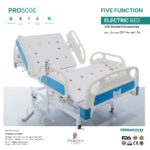
No piece of hospital furniture carries more weight — literally and figuratively — than the hospital bed. A patient may spend anywhere from a few hours to several weeks in a hospital bed, and the quality of that bed affects nearly every aspect of their experience: their sleep quality, their comfort during procedures, their safety during repositioning, and even their risk of developing pressure ulcers.
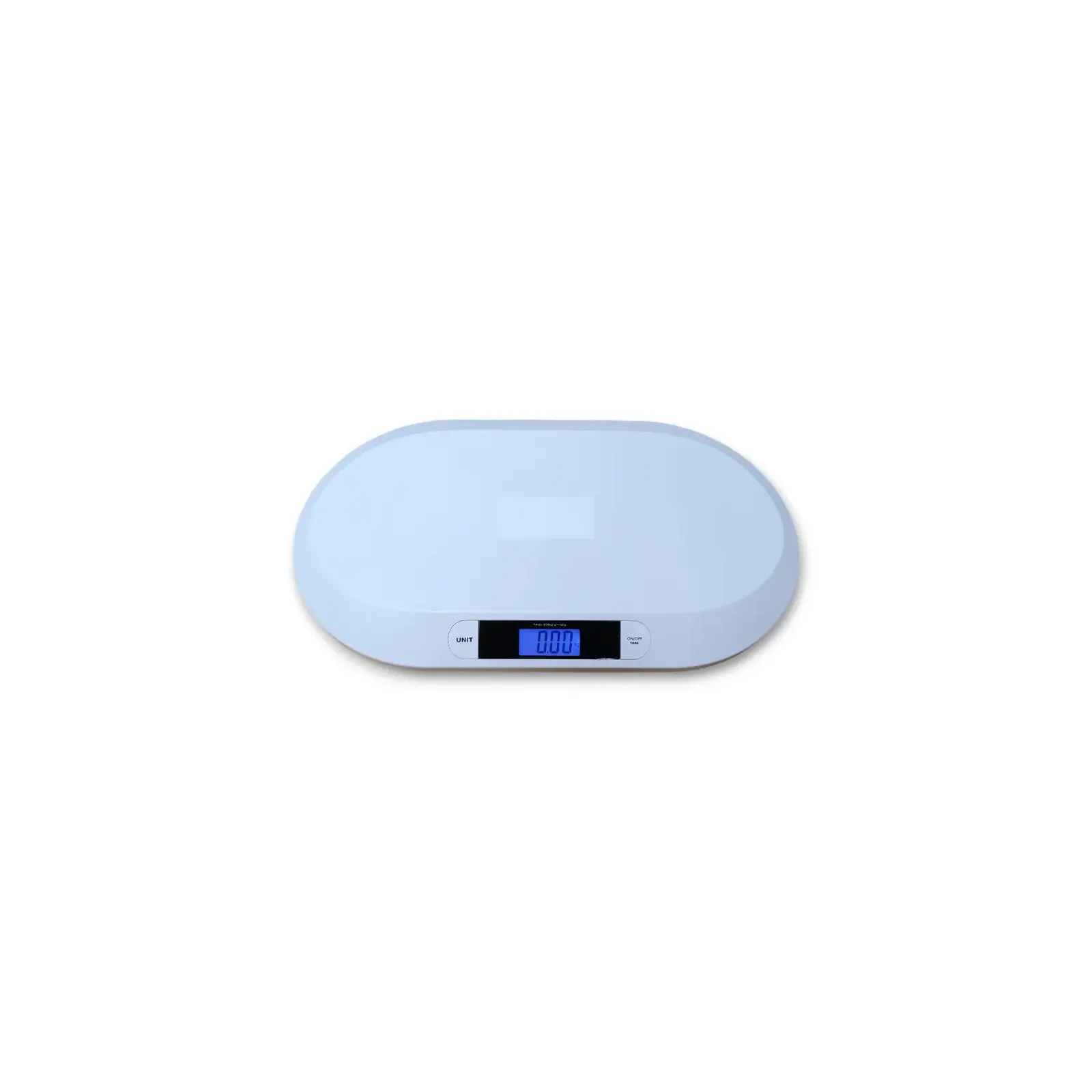
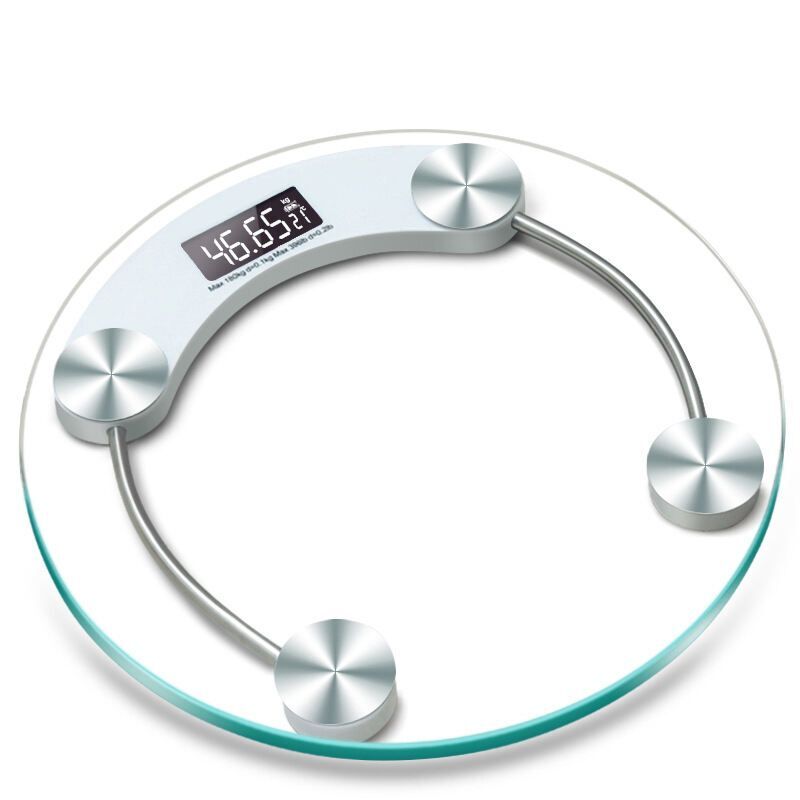
Modern hospital beds are engineering marvels. Equipped with adjustable height settings, backrest and leg-rest articulation, integrated weighing systems, side rails with locking mechanisms, and connectivity for nurse-call systems, today’s beds are far removed from the rigid iron frames of decades past. Electric positioning allows patients who are too weak to move themselves to adjust their own position at the touch of a button — a simple feature that restores a profound sense of control and independence.
The role of hospital beds in preventing pressure injuries — also called bedsores — cannot be overstated. Pressure injuries are among the most serious complications for immobile patients, and the right mattress and bed frame can dramatically reduce their occurrence. Alternating pressure mattresses, foam overlays, and low-air-loss systems are now standard considerations in bed selection, particularly for intensive care, orthopedic, and long-term care settings.
Beyond the clinical, there is the human element. A bed that is difficult to adjust, noisy to operate, or uncomfortable to lie in adds another layer of distress to an already difficult situation. Getting this right is not a luxury — it is a fundamental part of good care.
Seating: Comfort for Patients and Families Alike
Hospital seating is a category that touches an enormous range of people: patients who are ambulatory but still recovering, family members keeping vigil at a bedside, elderly visitors with limited mobility, and healthcare workers who need ergonomic support during long shifts.
For patients, seating is often a transitional space — the step between bed rest and walking. Patient chairs and recliners must be easy to get in and out of, particularly for post-surgical patients, the elderly, or those with musculoskeletal conditions. Features like firm armrests, elevated seat heights, and reclining functions are not just about comfort; they support rehabilitation and reduce the risk of falls.
For family members, the waiting room chair or the bedside chair can mean the difference between a supportive presence and a painful ordeal. Family members sometimes sleep in these chairs overnight, and a chair that causes back pain or does not allow a person to shift positions freely can contribute to caregiver fatigue. Comfortable, well-designed family seating sends a quiet but important message: your presence here matters, and we value your comfort too.
Infection control is another critical dimension of hospital seating. Upholstered chairs with seams, folds, and absorbent fabric can harbor pathogens and are notoriously difficult to clean. Healthcare facilities increasingly favor seating made from antimicrobial fabrics, seamless vinyl, or materials with integrated antimicrobial treatments that can be wiped clean quickly and thoroughly between patients. This is especially critical in the post-pandemic era, where surface hygiene has become a front-and-center concern.
Overbed Tables: Small in Size, Large in Impact
The humble overbed table is one of the most-used pieces of furniture in any inpatient room, and yet it receives almost no attention in discussions about healthcare design. An overbed table serves as a dining surface, a workstation for nurses administering medications, a place for personal items, and sometimes even a support for patients learning to stand or walk.
A well-designed overbed table should be height-adjustable to accommodate different bed positions and patient heights, easy to maneuver on wheels, stable under pressure, and easy to clean. Surfaces should be non-porous, resistant to common cleaning agents, and ideally edged to prevent items from rolling off.
When overbed tables are poorly designed — wobbly, difficult to position, with sharp edges or surfaces that absorb spills — the consequences are real. Medications can be knocked over, meals can become uncomfortable, and patients who rely on the table for balance are put at risk. Getting this small piece of furniture right has an outsized impact on the daily experience of inpatient care.
Storage and Bedside Units: Dignity in Organization
Every patient deserves a private space for their personal belongings. Bedside storage units — also known as bedside lockers or patient cabinets — provide that space, but they also do something less tangible: they support the patient’s sense of identity and normalcy during a disruptive experience.
Being in a hospital strips away many of the markers of ordinary life. People wear gowns rather than their own clothes; they follow schedules imposed by clinical necessity; they sleep in unfamiliar beds. A well-designed bedside unit where a patient can keep their phone, reading glasses, family photos, and personal items helps them maintain a small corner of their own world.
From a clinical standpoint, bedside units also need to be practical. They must accommodate medical devices like IV poles and monitoring equipment without creating clutter or hazards. They should be lockable for security and easy to sanitize between patient admissions. Height and drawer configuration matter — a patient who cannot easily reach their belongings because the unit is too tall or too far away will feel dependent and frustrated.
Furniture for Specialized Units: One Size Does Not Fit All
Different clinical environments have radically different furniture needs, and recognizing this is a sign of mature healthcare design thinking.
In pediatric wards, furniture must be scaled for children’s bodies, brightly colored to reduce anxiety, and designed with rounded edges and materials that are safe if mouthed or grabbed. Parent accommodation furniture is particularly important in pediatric settings, where a parent’s overnight presence can significantly improve a child’s emotional state and recovery.
In intensive care units, furniture must integrate seamlessly with complex medical equipment. Beds in ICUs often have built-in connectivity for monitoring systems, and storage units must accommodate the high volume of supplies and medications used in critical care. Cleanliness is paramount, so every surface must be designed for rapid and thorough decontamination.
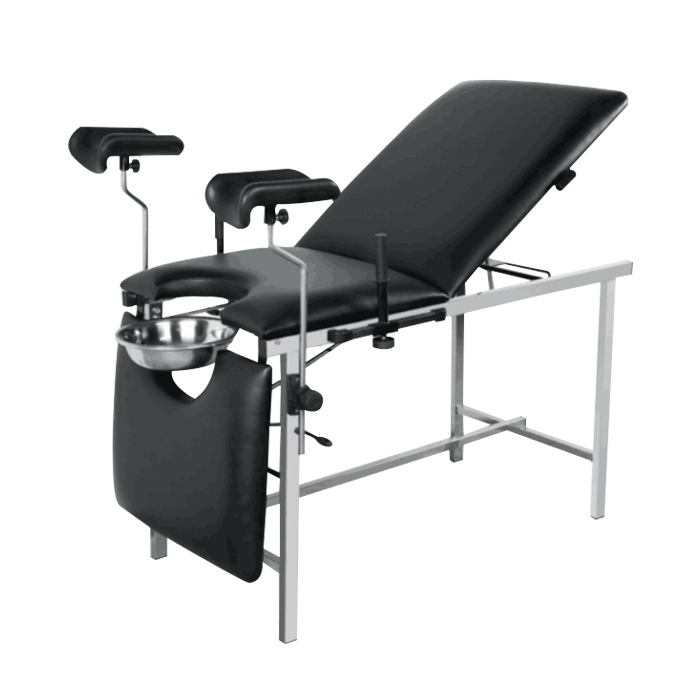
In geriatric wards and rehabilitation centers, furniture must prioritize accessibility and fall prevention above all else. Beds and chairs that are too low, side rails that are difficult to operate, or surfaces that are slippery can contribute directly to patient falls — one of the most serious and costly complications in elderly care. Contrasting colors, non-slip surfaces, and ergonomic handles are not optional extras in these settings; they are safety-critical features.
Bariatric furniture — designed for patients with higher body weights — is another specialized category that has gained more attention in recent years. Standard hospital furniture has weight limits that can exclude a significant portion of patients, and providing appropriately sized beds, chairs, and tables is both a clinical necessity and a matter of patient dignity.
Sustainability and the Future of Hospital Furniture
Healthcare is one of the world’s largest industries, and it generates an enormous environmental footprint. Hospitals are increasingly being called to account for that footprint, and furniture procurement is one area where meaningful change is possible.
Sustainable hospital furniture is designed for durability and longevity — reducing the need for frequent replacement and therefore reducing waste. Manufacturers are increasingly using materials that are recyclable, free of harmful chemicals like PVC and formaldehyde, and produced using environmentally responsible processes. Some healthcare systems now require suppliers to meet specific environmental standards as part of their procurement criteria.
The concept of circular design is also gaining traction in healthcare furniture. Rather than designing products to be discarded at the end of their useful life, circular design emphasizes repairability, modularity, and the ability to return materials to the supply chain. A hospital bed designed so that individual components can be replaced rather than the entire unit discarded is both more economical and more sustainable.
Technology integration is another frontier. Smart hospital beds that monitor patient movement and alert nurses to fall risks, chairs embedded with pressure sensors that track positioning, and furniture with built-in charging ports and connectivity are already entering the market. As hospitals become increasingly digital environments, furniture will increasingly be expected to function as an intelligent part of the care ecosystem.
Choosing the Right Furniture: A Strategic Decision
For hospital administrators and healthcare planners, furniture procurement might seem like a logistical afterthought — something to handle after the major clinical and architectural decisions have been made. In reality, it deserves to be treated as a strategic decision that integrates clinical expertise, patient experience research, infection control requirements, and long-term financial planning.
The true cost of hospital furniture is not just the purchase price but the total cost of ownership over its lifetime: maintenance costs, infection-related replacement, staff injury claims related to poor ergonomics, and patient outcomes linked to comfort and safety. Cheap furniture that wears out quickly, harbors infection, or contributes to falls ultimately costs far more than a premium investment in well-designed, durable alternatives.
Involving clinical staff — nurses, occupational therapists, physiotherapists — in furniture selection is essential. These are the people who interact with furniture every single day, who know what features make a real difference and which supposed innovations add complexity without benefit. Patient advocates and patient representatives should also have a voice in the process, ensuring that the people who will actually use the furniture are not an afterthought.
Conclusion
Hospital furniture does not save lives the way a defibrillator does, and it does not diagnose disease the way an MRI machine does. But it shapes the experience of illness and healing in ways that are profound and deeply human. It is the surface a frightened patient wakes up on in the middle of the night, the chair where a family holds hands and waits for news, the table where a patient eats their first real meal after surgery.
When hospital furniture is designed thoughtfully — with safety, comfort, dignity, infection control, and sustainability at its core — it becomes a quiet partner in healing. When it is neglected, it becomes a silent source of discomfort, risk, and diminished care.
The best hospitals understand this. They recognize that every piece of furniture in their walls is a statement about the kind of care they provide and the kind of respect they have for the people who walk through their doors. In healthcare, the details are never just details. They are everything.