A well-organized recovery room can make a huge difference in a patient’s comfort, safety, and overall healing process. Whether you’re caring for a loved one after surgery, illness, or injury, setting up a recovery space thoughtfully can reduce stress and create a calming environment that supports both physical and emotional well-being.
Why a Dedicated Recovery Room Matters
Creating a designated recovery space ensures that patients have everything they need within reach, while caregivers can manage care efficiently.
- Promotes Comfort: A cozy, quiet space encourages rest and faster recovery.
- Enhances Safety: Proper layout and accessories reduce the risk of falls and accidents.
- Supports Healing: A calm, organized environment helps patients recover physically and emotionally.
- Reduces Caregiver Stress: Everything in the room is designed to simplify care routines.
Even small adjustments in the recovery space can make a significant difference in daily care.
Essential Elements of a Recovery Room
Here are the key components to consider:
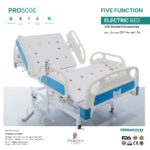
- Comfortable Bed: A medical or adjustable bed supports proper posture and reduces strain.
- Supportive Seating: Chairs with good back support help visitors or caregivers while assisting the patient.
- Adequate Lighting: Soft, adjustable lighting creates a soothing atmosphere and prevents eye strain.
- Quiet Environment: Minimize noise to help the patient rest and recuperate.
- Temperature Control: Maintain a comfortable temperature to avoid discomfort or fatigue.
These foundational elements create a space conducive to healing.
Must-Have Accessories
Adding the right accessories can enhance functionality and comfort:
- Bedside Lockers: Keep medications, water, and personal items within easy reach.
- Over-Bed Tables: Allow meals, reading, or activities without straining the patient.
- Grab Bars and Rails: Improve safety during movement and transfers.
- Mobility Aids: Walkers, canes, or wheelchairs support independence.
- Cushions and Pillows: Help prevent bedsores and maintain proper posture.
Affordable and thoughtfully placed accessories can transform a room into a practical healing space.
Organizing the Room for Maximum Efficiency
A well-organized recovery room reduces stress for both patients and caregivers.
- Keep Essentials Accessible: Place medications, water, and frequently used items within arm’s reach.
- Create Clear Pathways: Avoid clutter to prevent trips or falls.
- Separate Zones: Designate areas for resting, eating, and therapy exercises.
- Maintain Cleanliness: Regular cleaning ensures hygiene and reduces infection risk.
- Use Storage Wisely: Lockers, trays, and drawers keep items organized and accessible.
An organized layout saves time, prevents accidents, and enhances overall comfort.
Tips for a Healing Environment
Beyond equipment and organization, certain habits improve the room’s healing potential:
- Encourage Natural Light: Exposure to sunlight boosts mood and regulates sleep patterns.
- Add Calming Elements: Soft colors, soothing music, or gentle scents can reduce stress.
- Monitor Comfort: Regularly check the patient’s position, temperature, and overall comfort.
- Use Assistive Technology: Simple devices like alarms or remote-controlled lights improve convenience.
- Maintain Routine: Consistent meal times, medication schedules, and rest periods help recovery.
These small changes create a nurturing environment that supports both mind and body.
Final Thoughts
A recovery room is more than just a bed—it’s a space designed for comfort, safety, and healing.
- Comfort: Supportive beds, cushions, and seating improve rest and reduce pain.
- Safety: Grab bars, rails, and accessible storage prevent accidents.
- Convenience: Over-bed tables, organized lockers, and mobility aids simplify daily care.
- Healing: A quiet, clean, and calming environment supports physical and emotional recovery.
By setting up a recovery room thoughtfully, families can create a space where patients feel secure, cared for, and supported. Even small adjustments can make daily care easier, boost morale, and promote faster recovery for your loved ones.