Setting up or upgrading a healthcare facility requires much more than choosing a suitable location, hiring qualified professionals, and arranging patient rooms. The quality, availability, and suitability of medical equipment can directly influence patient care, clinical efficiency, staff safety, and the overall performance of a hospital or clinic.
Whether you are establishing a new hospital, expanding an existing clinic, opening a diagnostic center, or modernizing a healthcare facility, having the right equipment is essential. However, with hundreds of medical products available in the market, deciding what your facility actually needs can be challenging.
A practical hospital equipment checklist can make the procurement process easier. Instead of purchasing equipment based only on price or availability, healthcare organizations can evaluate their clinical requirements, patient volume, available space, staff capabilities, maintenance needs, and long-term operational costs.
In 2026, healthcare facilities are also placing greater emphasis on patient safety, efficient workflows, infection control, equipment durability, and cost-effective procurement. This makes it important to select equipment that is not only functional but also appropriate for the facility’s specific requirements.
This guide covers 25 essential hospital equipment items that healthcare facilities should consider when planning their medical equipment requirements. The list includes hospital beds, patient monitoring devices, examination equipment, mobility equipment, medical trolleys, and other essential items commonly required in hospitals, clinics, and diagnostic centers.
Why Is the Right Hospital Equipment Important?
Medical equipment plays a central role in almost every stage of patient care. From admission and examination to treatment, monitoring, recovery, and discharge, healthcare professionals depend on appropriate equipment to perform their duties efficiently.
The right equipment can help healthcare facilities:
- Improve patient comfort and safety
- Support doctors and nurses during treatment
- Monitor patients more effectively
- Improve workflow and operational efficiency
- Reduce unnecessary manual effort
- Support infection-control practices
- Provide better facilities for patients and caregivers
- Reduce equipment replacement costs through durable procurement
However, purchasing more equipment does not necessarily mean providing better healthcare. The goal should be to purchase the right equipment for the right clinical purpose.
For example, a small outpatient clinic may not require the same equipment as a large tertiary hospital. Similarly, an ICU will have very different equipment requirements compared with a general ward or diagnostic center.
Hospital Equipment Checklist: 25 Essential Items
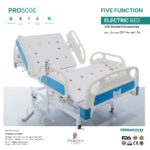
1. Hospital Beds
Hospital beds are among the most fundamental pieces of equipment required in inpatient healthcare facilities. They are used in general wards, private cabins, emergency areas, ICUs, and specialized departments.
Modern hospital beds may offer different adjustment functions depending on the model. Manual beds can provide practical positioning options at a relatively affordable cost, while electric beds can allow healthcare workers or patients to adjust positions more conveniently.
When selecting hospital beds, healthcare facilities should consider:
- Number of adjustment functions
- Weight capacity
- Mattress compatibility
- Frame durability
- Side-rail design
- Castor quality
- Ease of cleaning
- Availability of spare parts
For hospitals expecting long-term use, durability and ease of maintenance should be considered alongside the initial purchase price.
2. ICU Beds
Critical-care patients often require more specialized positioning and support than patients in general wards. ICU beds are designed to support intensive care environments where patient positioning, monitoring, mobility, and emergency access are particularly important.
Depending on the model, ICU beds may provide multiple adjustment functions, side rails, adjustable height, backrest and leg-rest positioning, and other features designed for critical-care environments.
When selecting ICU beds, hospitals should evaluate the clinical requirements of their ICU department rather than choosing equipment based solely on appearance or price.
3. Patient Monitors
Patient monitors are essential for observing important physiological parameters and identifying changes in a patient’s condition.
Depending on the model and configuration, a patient monitor may display parameters such as:
- Heart rate
- Blood pressure
- Oxygen saturation
- Respiratory rate
- Temperature
- ECG
Patient monitors are particularly important in emergency departments, ICUs, operating rooms, recovery areas, and other departments where continuous monitoring may be required.
Healthcare facilities should consider screen visibility, parameter configuration, alarm functions, portability, ease of operation, and service support when purchasing patient monitoring equipment.
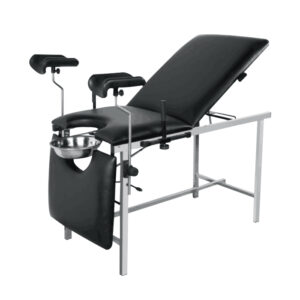
4. Patient Examination Beds
Patient examination beds are commonly used in outpatient departments, consultation rooms, clinics, and diagnostic facilities.
A suitable examination bed allows healthcare professionals to examine patients comfortably while maintaining an appropriate working position.
Important considerations include:
- Strong construction
- Suitable dimensions
- Patient weight capacity
- Easy-to-clean surfaces
- Comfortable padding
- Stable frame
- Appropriate height
For facilities with high patient turnover, easy cleaning and durable upholstery can be particularly important.
5. Examination Tables and Consultation Furniture
In addition to examination beds, consultation rooms require appropriate furniture that allows doctors and healthcare professionals to conduct examinations efficiently.
Depending on the facility, this may include examination tables, doctor stools, patient chairs, work desks, and storage furniture.
The objective should be to create a consultation environment where patients can be examined comfortably and healthcare professionals have easy access to the equipment and documents they need.
6. Wheelchairs
Wheelchairs are essential mobility equipment for patients who cannot walk safely or independently.
They are commonly required in:
- Hospitals
- Clinics
- Diagnostic centers
- Emergency departments
- Rehabilitation facilities
- Long-term care facilities
When choosing a wheelchair, facilities should consider frame strength, seat width, wheel quality, braking system, foldability, patient weight capacity, and ease of transportation.
A durable wheelchair can serve the facility for an extended period when properly maintained.
7. Patient Stretchers
Patient stretchers are important for moving patients safely between departments or from emergency areas to treatment spaces.
They may be used for:
- Emergency transportation
- Patient transfer
- Diagnostic procedures
- Operating departments
- Recovery areas
A suitable stretcher should provide stability, patient security, smooth movement, and adequate support for healthcare workers.
Hospitals should also consider the stretcher’s dimensions and maneuverability, particularly when corridors, elevators, and treatment rooms have limited space.
8. Medical Trolleys
Medical trolleys help healthcare professionals organize and transport medical supplies, instruments, medicines, and other necessary items.
Different types of trolleys may be used for different purposes, including:
- Instrument trolleys
- Dressing trolleys
- Medication trolleys
- Emergency trolleys
- Procedure trolleys
The main advantage of a well-designed medical trolley is improved organization. Instead of carrying individual items manually, healthcare workers can move multiple supplies together while keeping commonly required items accessible.
For busy hospitals, trolley construction, wheel quality, storage capacity, and ease of cleaning are important considerations.
9. Bedside Lockers
A bedside locker provides patients with convenient storage space for personal belongings and frequently used items.
They are commonly placed beside hospital beds in general wards, private rooms, and other patient-care areas.
A practical bedside locker should be:
- Durable
- Easy to clean
- Stable
- Compact
- Resistant to regular use
Healthcare facilities should also consider whether the locker design provides adequate storage while maintaining enough space around the patient’s bed.
10. IV Stands
IV stands are commonly required when patients receive intravenous fluids, medications, or other treatments.
A suitable IV stand should provide stability and allow healthcare professionals to position IV bags or bottles at an appropriate height.
Important features may include:
- Stable base
- Smooth-rolling castors
- Adjustable height
- Durable frame
- Secure hooks
Because IV stands are moved frequently around patient-care areas, mobility and structural stability are particularly important.
11. Nebulizers
Nebulizers are used to deliver certain medications in aerosol form so that patients can inhale them into their respiratory system.
They may be used in hospitals, clinics, emergency departments, and home-care settings depending on the patient’s treatment requirements.
When selecting a nebulizer, facilities should consider the intended clinical application, operating efficiency, ease of cleaning, noise level, durability, and availability of replacement components.
12. Oxygen Delivery Equipment
Oxygen delivery equipment is essential in many healthcare environments, particularly emergency departments, respiratory-care areas, ICUs, operating rooms, and patient wards.
Depending on the facility’s requirements, oxygen-related equipment may include oxygen cylinders, regulators, flowmeters, masks, nasal cannulas, and other accessories.
Healthcare facilities must ensure that oxygen equipment is handled, stored, inspected, and maintained according to appropriate safety procedures.
Choosing the Right Equipment for Your Facility
A hospital equipment checklist should be used as a planning tool rather than a simple shopping list. Before purchasing any equipment, healthcare organizations should evaluate their actual requirements.
Assess the Clinical Requirement
Start by identifying which departments will use the equipment. A general ward, ICU, emergency department, operating room, and outpatient clinic have different equipment requirements.
Consider Patient Volume
A facility with a high number of daily patients may need more equipment than a smaller clinic. Equipment availability should be sufficient to prevent unnecessary delays in patient care.
Evaluate Space
Before purchasing large equipment such as beds, stretchers, or examination tables, measure the available room, doorway, corridor, and elevator dimensions.
Consider Long-Term Cost
The cheapest product is not always the most economical option. Durability, maintenance, spare parts, warranty, and after-sales support can significantly influence the total cost of ownership.
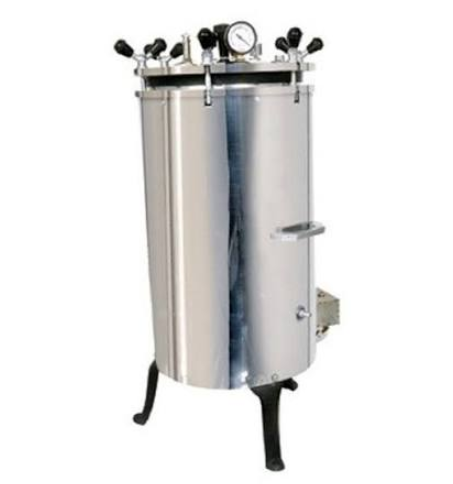
13. Autoclave / Sterilizer
Sterilization is an essential part of infection prevention in healthcare facilities. An autoclave uses pressurized steam and heat to sterilize compatible medical instruments and equipment.
Autoclaves are commonly used in hospitals, clinics, dental facilities, diagnostic centers, and laboratories. They are particularly important wherever reusable instruments are used during medical procedures.
When selecting an autoclave, healthcare facilities should consider:
- Chamber capacity
- Sterilization cycle options
- Temperature and pressure controls
- Safety features
- Ease of operation
- Maintenance requirements
- Availability of technical support
The appropriate capacity depends on the facility’s workload. A small clinic may require a compact unit, while a larger hospital may need higher-capacity sterilization equipment.
Proper sterilization procedures are just as important as the equipment itself. Staff should be trained to operate the equipment correctly and follow the manufacturer’s instructions.
14. ECG Machine
An electrocardiogram (ECG) machine records the electrical activity of the heart and is a commonly used diagnostic device in healthcare facilities.
ECG machines may be used in emergency departments, cardiology units, outpatient departments, diagnostic centers, and general medical facilities.
When purchasing an ECG machine, healthcare providers should consider:
- Number of channels
- Display quality
- Printing capability
- Portability
- Data storage
- Battery operation
- Ease of use
For facilities where the machine needs to be moved between rooms, a compact and portable model may be particularly useful.
15. Pulse Oximeter
A pulse oximeter is a small, non-invasive device used to measure blood oxygen saturation and pulse rate.
Because it is compact and relatively easy to use, pulse oximeters can be useful across many areas of a healthcare facility, including outpatient departments, emergency rooms, wards, and home-care services.
Healthcare facilities should consider measurement reliability, display visibility, battery life, durability, and intended patient population when selecting pulse oximeters.
Although the device is simple to operate, healthcare workers should understand its limitations and interpret readings in the context of the patient’s overall clinical condition.
16. Blood Pressure Monitor
Blood pressure measurement is a routine part of many patient assessments. Healthcare facilities therefore need reliable blood pressure monitoring equipment.
Depending on the setting, facilities may use manual sphygmomanometers, digital blood pressure monitors, or both.
A reliable blood pressure monitor should provide consistent measurements and be appropriate for the intended patient population.
Hospitals should also ensure that cuffs of suitable sizes are available. Using an inappropriate cuff size can affect measurement accuracy.
17. Blood Glucose Monitor
Blood glucose monitoring equipment is useful for assessing and monitoring blood glucose levels in patients.
These devices are commonly used in diabetic care, outpatient departments, emergency settings, inpatient wards, and other healthcare environments.
When selecting a blood glucose monitoring system, facilities should consider:
- Measurement process
- Required sample size
- Test-strip availability
- Ease of use
- Result display
- Storage requirements
- Long-term consumable costs
The ongoing availability and cost of test strips should be considered before selecting a particular system because consumables can represent a significant portion of long-term operating expenses.
18. Suction Machine
A suction machine is designed to remove bodily fluids, secretions, or other materials from a patient’s airway or treatment area when clinically required.
Suction equipment may be used in hospitals, emergency departments, operating rooms, ICUs, and other clinical environments.
When choosing a suction machine, healthcare facilities should consider suction capacity, collection-container size, portability, noise level, cleaning requirements, and safety features.
Because suction equipment can come into contact with potentially infectious materials, proper cleaning, disinfection, and maintenance procedures are essential.
19. Emergency / Crash Cart
An emergency cart, commonly known as a crash cart, helps healthcare professionals keep essential emergency supplies organized and immediately accessible.
In an emergency situation, time is critical. A properly organized emergency cart can help staff locate necessary supplies quickly instead of searching across multiple storage areas.
Depending on the facility and department, an emergency cart may contain emergency medications, airway-management supplies, monitoring equipment, and other essential items.
Facilities should establish clear procedures for:
- Stocking
- Organization
- Security
- Regular inspection
- Expired-item removal
- Replenishment after use
The exact contents should follow the facility’s clinical protocols and applicable requirements.
20. Instrument Cabinet and Storage Equipment
Medical instruments and supplies require appropriate storage to remain organized, protected, and accessible.
Instrument cabinets and medical storage units can help healthcare facilities organize equipment according to department or procedure.
A suitable storage system can reduce clutter and improve workflow. It can also help staff identify when supplies need to be replenished.
When selecting storage furniture, consider:
- Storage capacity
- Material quality
- Cleaning requirements
- Door and locking mechanism
- Shelf configuration
- Available floor space
Good storage planning becomes particularly important in facilities with limited space.
21. Overbed Table
An overbed table provides patients with a convenient surface for eating, reading, writing, or performing other activities while remaining in bed.
These tables can improve patient convenience, particularly for individuals who have limited mobility.
Important features may include adjustable height, smooth movement, stable construction, and an easy-to-clean tabletop.
Hospitals should choose models appropriate for the dimensions and configuration of their patient beds.
22. Patient Transfer Equipment
Moving patients safely between beds, stretchers, wheelchairs, diagnostic areas, and other locations is an important part of hospital operations.
Depending on patient requirements and facility resources, patient transfer equipment may include transfer stretchers, transfer chairs, patient lifting systems, or other mobility-support equipment.
The objective is to reduce unnecessary physical strain on patients and healthcare workers while improving transfer safety.
Facilities should consider patient weight capacity, maneuverability, staff training requirements, and compatibility with existing beds and stretchers before purchasing transfer equipment.
23. Medical Waste Containers
Proper segregation and handling of healthcare waste are essential components of hospital safety and infection-control practices.
Healthcare facilities may require different containers for different categories of waste. Sharps, infectious waste, general waste, and other materials may require separate handling according to applicable procedures and regulations.
Medical waste containers should be:
- Clearly identifiable
- Durable
- Easy to clean where appropriate
- Suitable for the intended waste category
- Positioned conveniently for staff
The container itself is only one part of an effective waste-management system. Staff training, segregation procedures, collection, transportation, and disposal practices are equally important.
24. Medical Refrigerator
Certain medicines, vaccines, laboratory materials, and other temperature-sensitive healthcare products may require controlled storage conditions.
A medical refrigerator is designed to provide appropriate temperature management for products that require refrigerated storage.
Before purchasing one, facilities should evaluate:
- Required temperature range
- Temperature monitoring
- Capacity
- Alarm features
- Power backup requirements
- Internal organization
- Maintenance support
Healthcare facilities should follow the storage requirements specified for each product rather than assuming that all temperature-sensitive items require identical conditions.
25. Patient Transport Chair
Patient transport chairs can be useful for moving patients who do not require a full wheelchair but cannot comfortably walk long distances within a healthcare facility.
They may be used around hospital entrances, diagnostic departments, outpatient areas, and other high-traffic locations.
A suitable transport chair should be lightweight enough for practical handling while providing adequate stability and patient support.
Facilities should consider seat dimensions, frame construction, braking system, folding mechanism, and storage requirements.
How to Create an Effective Hospital Equipment Procurement Plan
Purchasing 25 different types of equipment does not mean every healthcare facility needs all of them. The right procurement strategy depends on the facility’s size, specialization, patient volume, and budget.
A structured procurement process can help prevent unnecessary spending.
1. Identify Equipment by Department
Create separate requirements for each department.
For example:
General Ward
- Hospital beds
- Bedside lockers
- Overbed tables
- Wheelchairs
- IV stands
- Patient monitors
Emergency Department
- Patient monitors
- Stretchers
- Emergency carts
- Suction machines
- Oxygen equipment
- ECG machines
ICU
- ICU beds
- Patient monitors
- Infusion-related equipment
- Suction equipment
- Emergency equipment
This department-based approach makes it easier to identify gaps and prioritize purchases.
2. Compare Specifications, Not Just Prices
Price is important, but it should not be the only purchasing criterion.
Two products may look similar but differ significantly in:
- Material quality
- Weight capacity
- Functions
- Warranty
- Expected service life
- Maintenance requirements
- Spare-parts availability
Healthcare organizations should compare technical specifications and total ownership costs before making a final decision.
3. Check Warranty and After-Sales Support
Medical equipment may require maintenance, calibration, replacement parts, or technical assistance during its operational life.
Before purchasing, ask the supplier:
- What warranty is included?
- Is technical support available locally?
- Are spare parts available?
- How is maintenance handled?
- What is the expected service response time?
A supplier that provides reliable after-sales support can be more valuable than one offering only a lower initial price.
How to Choose a Reliable Medical Equipment Supplier in Bangladesh
For healthcare facilities in Bangladesh, supplier selection is an important part of procurement.
A reliable supplier should ideally demonstrate:
Product Knowledge
The supplier should understand the intended clinical application of the equipment and be able to explain relevant specifications clearly.
Product Range
Working with a supplier that offers multiple categories of hospital equipment can simplify procurement, especially for new hospitals and clinics.
Quality and Durability
Equipment should be appropriate for regular healthcare use and manufactured using suitable materials and construction standards.
Documentation
Healthcare organizations should request relevant product specifications, warranty information, user manuals, and other applicable documentation before purchase.
After-Sales Service
Technical support, maintenance, spare parts, and warranty service should be considered before finalizing a supplier.
Transparent Communication
A professional supplier should clearly communicate product specifications, pricing, delivery conditions, warranty coverage, and service terms.
For hospitals planning a large procurement project, it can also be useful to request quotations from multiple suppliers and compare them based on quality, specifications, service, warranty, and total cost, rather than simply selecting the lowest quotation.
Maintenance: An Essential Part of Hospital Equipment Management
Buying good equipment is only the beginning. Regular maintenance is necessary to keep equipment functional and safe.
Healthcare facilities should establish an equipment-management system that includes:
- Routine inspection
- Preventive maintenance
- Cleaning and disinfection
- Calibration where applicable
- Repair documentation
- Replacement planning
- Staff training
Equipment should be inspected according to the manufacturer’s recommendations and the facility’s internal policies.
Poor maintenance can result in unexpected downtime, increased repair costs, and operational disruption.
A hospital can therefore benefit from maintaining an equipment inventory containing information such as the equipment name, model, serial number, purchase date, warranty status, maintenance history, and responsible department.
Final Thoughts
Choosing hospital equipment is a long-term investment in healthcare operations. From basic items such as hospital beds and wheelchairs to specialized equipment such as patient monitors, ECG machines, ICU beds, sterilizers, and suction machines, every product should be selected according to the facility’s actual requirements.
The most effective approach is not to purchase the largest possible number of products. Instead, healthcare organizations should build an equipment plan based on clinical needs, patient volume, available space, staff requirements, product quality, maintenance, safety, and total cost of ownership.
For hospitals, clinics, diagnostic centers, and other healthcare facilities in Bangladesh, working with an experienced medical equipment supplier can make the procurement process more organized and efficient.
A comprehensive hospital equipment checklist can serve as the starting point. From there, each facility can create a customized procurement plan that supports better patient care and sustainable healthcare operations.
Frequently Asked Questions
1. What equipment does a new hospital need?
A new hospital generally needs equipment based on its departments and services. Common requirements include hospital beds, patient monitors, wheelchairs, stretchers, examination beds, medical trolleys, IV stands, emergency equipment, sterilization equipment, and diagnostic devices.
2. How do I choose hospital equipment?
Consider the equipment’s clinical purpose, specifications, durability, patient capacity, available space, maintenance requirements, warranty, spare-parts availability, and after-sales support. Price should be evaluated alongside these factors.
3. What is the most important hospital equipment?
There is no single most important piece of equipment for every facility. Hospital beds, patient monitoring equipment, emergency equipment, examination equipment, mobility equipment, and essential diagnostic devices can all be important depending on the facility’s services.
4. Why is hospital equipment maintenance important?
Regular maintenance can help identify problems early, reduce unexpected equipment downtime, support safe operation, and potentially extend equipment service life.
5. How can hospitals reduce medical equipment procurement costs?
Hospitals can reduce costs by assessing actual requirements, comparing multiple suppliers, evaluating total ownership costs, purchasing durable equipment, avoiding unnecessary features, planning procurement in advance, and considering warranty and after-sales support.
6. Should hospitals buy equipment based only on price?
No. The lowest purchase price does not necessarily represent the lowest long-term cost. Quality, durability, warranty, maintenance, spare parts, service support, and expected lifespan should also be considered.
7. Why is a hospital equipment checklist useful?
A checklist helps healthcare organizations identify essential equipment, organize procurement by department, reduce the risk of missing important items, compare suppliers, and plan budgets more effectively.
8. Where can hospitals buy medical equipment in Bangladesh?
Healthcare facilities should purchase from established suppliers that can provide appropriate product specifications, documentation, warranty, after-sales service, and technical support. Buyers should evaluate suppliers carefully before making procurement decisions.