Choosing the right medical equipment supplier is one of the most important decisions for a hospital, clinic, diagnostic center, nursing home, or other healthcare facility. Medical equipment is not an ordinary business purchase. The quality, reliability, availability, and service support of the equipment can directly affect daily operations and patient care.
Healthcare organizations in Bangladesh have access to a wide range of medical equipment suppliers, manufacturers, importers, distributors, and traders. While this provides buyers with more choices, it can also make procurement more complicated. Two suppliers may offer similar-looking products at very different prices, while differences in specifications, materials, warranty, technical support, and after-sales service may not always be immediately obvious.
For this reason, healthcare facilities should not select a supplier based only on the lowest quotation. A reliable medical equipment supplier should be evaluated based on product quality, technical specifications, regulatory documentation, delivery capability, warranty, maintenance support, spare-parts availability, communication, and overall value.
Whether you are purchasing a few hospital beds for a small clinic or planning a complete equipment package for a new hospital, a structured evaluation process can help reduce procurement risks.
This guide explains 10 important factors to consider when choosing a reliable medical equipment supplier in Bangladesh and provides practical guidance for making a better purchasing decision.
Why Choosing the Right Medical Equipment Supplier Matters
A medical equipment supplier is more than a company that delivers products. The supplier can become a long-term partner for equipment procurement, maintenance, replacement parts, technical assistance, and future expansion.
For example, a hospital purchasing dozens of hospital beds may need replacement components or maintenance support several years after the initial purchase. Similarly, a healthcare facility purchasing patient monitoring equipment may require technical assistance, accessories, or replacement parts during the equipment’s operating life.
Choosing the right supplier can help a healthcare facility:
- Obtain equipment appropriate for its clinical requirements
- Reduce procurement risks
- Improve equipment availability
- Receive better technical support
- Simplify future purchasing
- Maintain consistent product quality
- Reduce unexpected maintenance costs
- Improve long-term operational efficiency
A supplier that provides a slightly lower initial price but poor after-sales support may ultimately cost more than a supplier offering better overall value.
10 Key Factors for Choosing a Medical Equipment Supplier
1. Evaluate the Supplier’s Product Quality
Product quality should be one of the first things a healthcare facility evaluates.
Medical equipment is often used repeatedly in demanding environments. Hospital beds, wheelchairs, medical trolleys, examination beds, patient monitors, and other equipment may experience frequent handling and continuous use.
Before purchasing, ask the supplier for detailed information about:
- Product specifications
- Construction materials
- Weight capacity
- Available functions
- Dimensions
- Intended application
- Manufacturer information
- Operating instructions
- Warranty terms
For hospital furniture, for example, the quality of the frame, welding, castors, joints, surface finish, and moving components can influence durability.
For electronic medical devices, buyers may need to consider measurement parameters, display quality, battery operation, software features, accessories, and maintenance requirements.
The key question should not simply be “How much does it cost?” but rather “What value and service life does this equipment provide?”
2. Check Whether the Supplier Understands Your Requirements
A reliable supplier should be able to understand what your healthcare facility actually needs.
Every healthcare facility has different requirements. A small outpatient clinic does not need the same equipment as a large hospital, while an ICU has very different requirements from a general ward.
A good supplier should ask relevant questions about:
- Facility type
- Department requirements
- Number of beds
- Expected patient volume
- Equipment usage
- Available space
- Budget
- Required delivery timeline
- Installation or training requirements
This consultation process can help prevent inappropriate purchases.
For example, if a hospital needs beds for a high-dependency ward, the supplier should help the procurement team understand which bed functions are actually useful for that environment instead of simply recommending the most expensive model.
3. Compare Technical Specifications Carefully
Two medical products can look almost identical but have significantly different specifications.
This is particularly important when comparing quotations from different suppliers.
Instead of comparing only product names and prices, create a specification comparison sheet.
For hospital beds, for example, compare:
The same principle can be applied to electronic medical devices, examination equipment, mobility products, and other hospital supplies.
A specification-based comparison makes it easier to identify whether a lower-priced product actually offers the same functionality as a higher-priced alternative.
4. Verify Warranty and After-Sales Service
Warranty is an important consideration when purchasing medical equipment.
However, simply having a warranty does not guarantee a smooth experience. Buyers should understand exactly what the warranty covers.
Before placing an order, ask:
- How long is the warranty?
- Which components are covered?
- Are labor charges included?
- What happens if a product develops a fault?
- Who handles warranty claims?
- Is technical support available locally?
- How quickly can service be provided?
For hospitals and clinics, equipment downtime can disrupt operations. A supplier with responsive after-sales service can therefore provide significant long-term value.
Buyers should request warranty terms in writing rather than relying only on verbal assurances.
5. Assess Technical Support and Maintenance Capability
Medical equipment requires proper maintenance throughout its operational life.
A supplier should ideally have access to qualified technical personnel who can provide appropriate support for the products they sell.
This becomes especially important for:
- Electronic medical equipment
- Patient monitoring systems
- Diagnostic equipment
- Electric hospital beds
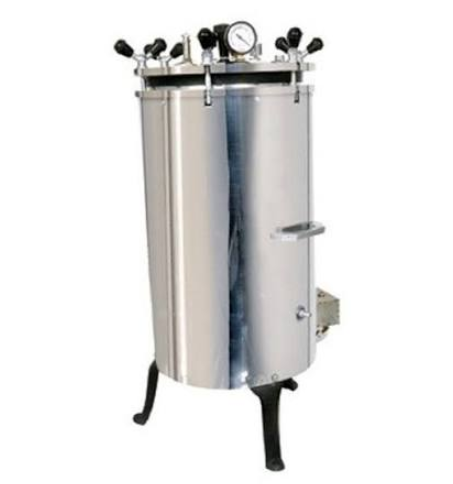
- Sterilization equipment
- Equipment with moving or mechanical components
Ask whether the supplier provides preventive maintenance, troubleshooting, repair services, calibration support where applicable, and replacement parts.
For large procurement projects, it may also be useful to discuss a maintenance plan before completing the purchase.
6. Check Spare Parts Availability
Spare-parts availability is often overlooked during the purchasing process.
A medical device or hospital bed may work perfectly when purchased but eventually require replacement components due to normal wear and tear.
For example, hospital furniture may eventually require replacement castors, handles, side-rail components, hydraulic parts, or other mechanical components. Electronic devices may require batteries, sensors, cables, probes, or other accessories depending on the product.
Before purchasing, ask the supplier:
- Are replacement parts available locally?
- How long are spare parts expected to remain available?
- Are common wear components stocked?
- What is the expected replacement lead time?
- Are compatible accessories available?
A supplier with a reliable spare-parts system can help reduce equipment downtime.
7. Review the Supplier’s Experience and Track Record
Experience can provide useful insight into a supplier’s ability to handle healthcare procurement projects.
However, buyers should look beyond how many years a company claims to have been in business.
Consider:
- Previous healthcare projects
- Types of healthcare facilities served
- Product categories handled
- Manufacturing or distribution capability
- Customer service reputation
- Ability to handle bulk orders
- Experience with institutional procurement
If possible, ask for relevant company information, product documentation, project references, or other evidence of experience.
A supplier experienced in hospital projects may also be better prepared to understand procurement schedules, product specifications, delivery requirements, and installation needs.
8. Evaluate Delivery Capability
Delivery is another important consideration, especially when purchasing equipment for a new hospital or a facility expansion.
A supplier may offer good products but still create operational problems if equipment cannot be delivered when required.
Before placing an order, clarify:
- Expected delivery time
- Product availability
- Production lead time
- Transportation arrangements
- Delivery location
- Packaging
- Installation requirements
- Responsibility for transportation damage
For large projects, procurement teams should establish a realistic delivery schedule and coordinate it with construction, room preparation, electrical work, and other facility requirements.
A supplier capable of handling phased deliveries can also be valuable when a hospital is being developed or renovated in stages.
9. Consider Product Customization Options
Healthcare facilities sometimes have requirements that cannot be met by standard products.
Depending on the supplier and product category, customization may include:
- Dimensions
- Materials
- Colors
- Storage configuration
- Product functions
- Branding
- Accessories
- Special-purpose designs
Customization can be particularly useful for hospital furniture and certain facility-specific products.
However, customization should be based on an actual operational requirement. Adding unnecessary features can increase costs without providing meaningful benefits.
Before requesting customization, clearly communicate the intended use, available space, required specifications, and expected quantity.
10. Compare Total Cost of Ownership
The purchase price is only one component of the total cost of medical equipment.
A more useful approach is to evaluate the total cost of ownership (TCO).
This can include:
Initial purchase price + transportation + installation + consumables + maintenance + spare parts + repairs + eventual replacement
For example, one product may cost less initially but require more frequent maintenance or expensive replacement components. Another may have a higher purchase price but provide greater durability and lower maintenance requirements.
Healthcare procurement teams should therefore compare the long-term financial impact rather than automatically selecting the lowest quotation.
How to Shortlist Medical Equipment Suppliers in Bangladesh
A practical supplier-selection process can be divided into several stages.
Step 1: Define Your Requirements
Prepare a detailed equipment list before contacting suppliers.
Include:
- Product name
- Required quantity
- Technical specifications
- Intended department
- Preferred delivery date
- Budget range
- Required accessories
A clear requirement list allows suppliers to provide more accurate quotations.
Step 2: Identify Potential Suppliers
Research suppliers based on product categories, healthcare experience, manufacturing or distribution capabilities, service coverage, and location.
Do not rely on advertisements alone. Review company information and product documentation carefully.
Step 3: Request Detailed Quotations
Ask shortlisted suppliers to provide quotations that clearly specify:
- Product model
- Quantity
- Unit price
- Total price
- Warranty
- Delivery time
- Payment terms
- Installation
- After-sales service
A standardized quotation format makes supplier comparison easier.
How to Verify a Medical Equipment Supplier Before Buying
After creating a shortlist of potential suppliers, the next step is verification. This is particularly important for large hospital projects where the purchase may involve significant investment and multiple equipment categories.
Verify Company Information
Start by checking whether the supplier has clear and professional company information. Review its website, office or factory information, product catalogue, contact details, and business documentation where applicable.
A supplier should be transparent about who manufactures the equipment and whether it is a manufacturer, importer, distributor, or reseller.
Understanding the supplier’s role can also help you determine where to seek technical support or warranty service.
Request Product Documentation
Depending on the equipment, documentation may include:
- Product specifications
- User manuals
- Warranty documents
- Technical datasheets
- Manufacturer information
- Relevant certificates or conformity documentation
- Maintenance instructions
The exact documentation required will depend on the product and its intended use.
Healthcare procurement teams should avoid purchasing products when the supplier cannot provide basic information needed to evaluate the equipment properly.
Request a Product Demonstration When Appropriate
For equipment that has multiple functions or requires staff training, a product demonstration can be extremely useful.
A demonstration allows doctors, nurses, biomedical engineers, procurement officers, or other relevant staff to evaluate how the equipment actually works.
During a demonstration, consider:
- Ease of operation
- Build quality
- User interface
- Patient comfort
- Movement and positioning
- Cleaning requirements
- Accessories
- Staff training requirements
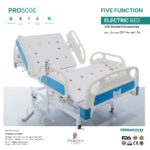
For example, when evaluating an electric hospital bed, staff can examine how smoothly the bed adjusts, how the controls work, whether the side rails are practical, and whether the design is appropriate for the intended ward.
A demonstration can reveal practical issues that may not be obvious from a product catalogue.
Compare Multiple Quotations
For significant medical equipment purchases, obtaining quotations from multiple qualified suppliers can provide a clearer picture of the market.
However, quotations should be compared carefully.
A useful comparison should include:
| Factor | Supplier A | Supplier B | Supplier C |
|---|---|---|---|
| Product/model | — | — | — |
| Quantity | — | — | — |
| Unit price | — | — | — |
| Specifications | — | — | — |
| Warranty | — | — | — |
| Delivery time | — | — | — |
| Installation | — | — | — |
| After-sales support | — | — | — |
| Spare parts | — | — | — |
| Payment terms | — | — | — |
This approach prevents procurement teams from focusing on price alone.
For example, Supplier A may offer the lowest price, while Supplier B may offer a longer warranty and better technical support. Supplier C may have faster delivery but higher maintenance costs.
The best option depends on the facility’s priorities.
Be Careful With Extremely Low Prices
An unusually low quotation can be attractive, particularly when a hospital is working with a limited budget. However, buyers should investigate why the price is significantly lower than competing offers.
Possible reasons may include:
- Different specifications
- Lower-grade materials
- Fewer functions
- Limited warranty
- Higher maintenance costs
- Imported components with limited support
- Lack of spare parts
- Different accessories included
- Promotional or bulk pricing
A low price is not automatically a sign of poor quality. The important point is to understand what is included in the quotation.
Ask the supplier to explain the specifications and scope of supply clearly before making a decision.
Understand the Difference Between Manufacturer, Distributor, and Reseller
Not every medical equipment supplier operates in the same way.
A company may manufacture its own products, import products from overseas manufacturers, distribute products from other companies, or resell equipment purchased through another supplier.
Each model can have advantages depending on the procurement requirement.
Manufacturer
A manufacturer may provide greater control over product specifications, customization, production, and certain spare parts.
Distributor
A distributor may provide access to products from established manufacturers and may have broader distribution and service networks.
Reseller
A reseller may offer multiple brands and products, which can be useful for buyers seeking variety.
The important factor is not simply the business model. Buyers should evaluate the supplier’s ability to provide quality products, documentation, warranty, technical support, spare parts, and reliable service.
5 Common Mistakes to Avoid When Choosing a Supplier
Even experienced procurement teams can make mistakes when purchasing medical equipment.
Mistake 1: Choosing Only Based on Price
The lowest quotation may appear attractive, but it may not provide the best long-term value.
Always compare specifications, warranty, service, maintenance, and expected lifespan.
Mistake 2: Not Checking Warranty Terms
A buyer may assume that every problem is covered under warranty. In reality, warranties can have specific exclusions and conditions.
Read the warranty terms before purchasing.
Mistake 3: Ignoring Spare Parts
A product may be excellent when new but difficult to maintain if replacement parts are unavailable.
Ask about spare-parts availability before placing the order.
Mistake 4: Buying Equipment Without Considering the Facility
An equipment model may be technically good but unsuitable for the available space or workflow.
Measure rooms, doors, corridors, elevators, and storage areas before ordering large equipment.
Mistake 5: Not Planning Maintenance
Healthcare facilities should consider how equipment will be maintained after installation.
A maintenance plan can help reduce unexpected downtime and extend equipment service life.
Questions to Ask a Medical Equipment Supplier
Before finalizing a supplier, procurement teams can use the following questions:
- What are the complete specifications of the product?
- Who is the manufacturer?
- Where is the product manufactured?
- What warranty is provided?
- What does the warranty cover?
- Are spare parts available?
- Is technical support available locally?
- What is the expected delivery time?
- Is installation included?
- Is staff training available?
- Are replacement accessories available?
- What maintenance is recommended?
- Can the product be customized?
- What documentation is provided?
- What are the payment and delivery terms?
The answers should be documented and compared before the final purchasing decision.
Why After-Sales Support Matters for Hospitals
Medical equipment does not stop being important after delivery.
Once equipment becomes part of daily hospital operations, technical problems can affect workflow and patient services.
For example, if a hospital bed becomes difficult to operate, if a patient monitor requires servicing, or if a mechanical component breaks, the facility may need quick assistance.
A dependable supplier should therefore have a clear process for:
- Warranty claims
- Technical support
- Spare-parts supply
- Repairs
- Preventive maintenance
- Product replacement when necessary
For large healthcare facilities, it may be useful to establish a formal service agreement covering equipment maintenance and technical support.
Medical Equipment Procurement for New Hospitals
New hospitals often face particularly complex procurement requirements because multiple departments need to be equipped within a limited timeframe.
Instead of purchasing everything simultaneously without a clear plan, management can divide procurement into phases.
Phase 1: Core Infrastructure
This may include:
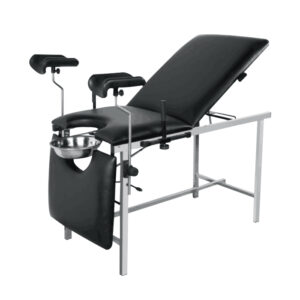
- Hospital beds
- Examination beds
- Bedside lockers
- Patient trolleys
- Wheelchairs
- Stretchers
- Medical storage equipment
Phase 2: Clinical Equipment
Depending on the hospital’s departments, this may include:
- Patient monitors
- ECG machines
- Blood pressure monitors
- Blood glucose monitors
- Nebulizers
- Suction machines
- Oxygen-related equipment
Phase 3: Specialized Equipment
Specialized departments may require additional equipment based on their clinical services.
This phased approach can help management prioritize essential equipment while maintaining better control over the procurement budget.
How PROMIXCO Can Support Healthcare Equipment Procurement
For hospitals, clinics, diagnostic centers, and other healthcare organizations looking for medical equipment in Bangladesh, PROMIXCO LIMITED provides a range of healthcare and medical equipment solutions.
Its product range includes categories such as hospital beds, medical devices, patient-care equipment, hospital furniture, mobility equipment, and other healthcare products.
For institutional buyers, working with a supplier that can provide multiple equipment categories can simplify procurement and communication. Instead of coordinating every item through separate vendors, healthcare facilities may be able to consolidate relevant requirements with an experienced supplier.
However, procurement decisions should always be based on the specific clinical requirements, technical specifications, budget, warranty, and service requirements of the facility.
Healthcare organizations can review the available product categories and contact PROMIXCO for product specifications, quotations, and procurement discussions.
Final Checklist Before Selecting a Medical Equipment Supplier
Before signing a purchase agreement, use this checklist:
- Supplier company information verified
- Product specifications reviewed
- Manufacturer information confirmed
- Required quantity confirmed
- Product quality evaluated
- Quotation compared with alternatives
- Warranty terms reviewed
- After-sales service confirmed
- Spare-parts availability checked
- Delivery schedule confirmed
- Installation requirements discussed
- Staff training requirements discussed
- Maintenance requirements understood
- Product documentation received
- Payment terms confirmed
- Total cost of ownership considered
This checklist can help procurement teams avoid overlooking important factors during the purchasing process.
Conclusion
Choosing a reliable medical equipment supplier in Bangladesh is a decision that can have long-term implications for a healthcare facility. The right supplier should provide more than competitive pricing. Product quality, technical specifications, warranty, after-sales service, spare-parts availability, delivery capability, technical support, and overall value should all be considered.
Hospitals and clinics should begin by defining their requirements clearly. Once the required equipment has been identified, procurement teams can shortlist qualified suppliers, request detailed quotations, compare specifications, verify documentation, and evaluate service capabilities.
A successful procurement process also continues after the purchase. Equipment maintenance, spare-parts availability, staff training, warranty support, and technical assistance are all important parts of managing medical equipment throughout its operational life.
For healthcare organizations in Bangladesh, selecting an experienced and responsive supplier can make equipment procurement more organized and reduce potential operational challenges.
Ultimately, the best medical equipment supplier is not necessarily the one offering the lowest price. It is the supplier that can provide appropriate equipment, transparent specifications, dependable quality, reasonable total cost, timely delivery, and reliable long-term support.
By applying the 10 factors discussed in this guide and using a structured supplier evaluation process, hospitals, clinics, and diagnostic centers can make more informed procurement decisions and build a stronger foundation for efficient healthcare operations.
Frequently Asked Questions
1. How do I choose the best medical equipment supplier in Bangladesh?
Compare suppliers based on product quality, specifications, warranty, after-sales service, spare-parts availability, delivery capability, technical support, experience, and total cost of ownership rather than price alone.
2. What should I check before buying hospital equipment?
Check the product specifications, manufacturer information, quality, warranty, maintenance requirements, spare-parts availability, delivery time, installation requirements, and after-sales support.
3. Is the cheapest medical equipment supplier the best option?
Not necessarily. A lower purchase price may come with different specifications, limited warranty, higher maintenance costs, or weaker after-sales support. The total value of the purchase should be considered.
4. Why is after-sales service important?
Medical equipment may require maintenance, repairs, replacement parts, or technical assistance. Reliable after-sales support can reduce downtime and help healthcare facilities maintain smooth operations.
5. Should I request quotations from multiple suppliers?
For significant purchases, comparing multiple qualified suppliers can help healthcare organizations understand pricing, specifications, warranty terms, delivery schedules, and service differences.
6. What documents should a medical equipment supplier provide?
Depending on the product, buyers may need product specifications, technical datasheets, user manuals, warranty documents, manufacturer information, and applicable certificates or conformity documentation.
7. What is total cost of ownership?
Total cost of ownership considers the complete financial impact of equipment, including purchase price, transportation, installation, consumables, maintenance, spare parts, repairs, and eventual replacement.
8. Can hospitals negotiate with medical equipment suppliers?
Yes. Depending on the supplier and purchase volume, hospitals may be able to discuss pricing, delivery schedules, warranty coverage, accessories, installation, training, and service arrangements.
9. Should hospitals buy all equipment from one supplier?
Not necessarily. A single supplier can simplify procurement and communication, but hospitals should select suppliers based on their ability to meet the required specifications, quality, service, and budget for each equipment category.
10. What makes a medical equipment supplier reliable?
A reliable supplier should demonstrate product knowledge, transparent specifications, consistent quality, appropriate documentation, dependable delivery, warranty support, technical assistance, spare-parts availability, and responsive customer service.