Healthcare institutions rely on high-quality medical equipment to deliver safe, efficient, and reliable patient care. Whether establishing a new hospital, upgrading an existing healthcare facility, or expanding clinical services, choosing the right medical equipment is one of the most important procurement decisions administrators will make.
Hospital procurement goes beyond comparing prices. It involves evaluating product quality, regulatory compliance, supplier reliability, maintenance support, lifecycle costs, and future scalability. Poor purchasing decisions can lead to operational disruptions, increased maintenance expenses, and compromised patient care.
This comprehensive guide explains the essential medical equipment every healthcare facility should consider and outlines best practices to make hospital procurement more strategic, efficient, and cost-effective.
Why Strategic Hospital Procurement Matters
Medical equipment represents one of the largest investments in any healthcare facility. Proper procurement helps hospitals:
- Improve patient safety
- Increase operational efficiency
- Reduce equipment downtime
- Ensure compliance with healthcare regulations
- Minimize long-term maintenance costs
- Improve staff productivity
- Enhance diagnostic accuracy
- Extend equipment lifespan
Instead of purchasing equipment based solely on initial cost, healthcare organizations should evaluate total ownership value over several years.
Key Factors to Consider Before Purchasing Medical Equipment
Before preparing a procurement list, hospitals should assess several critical factors.
1. Clinical Requirements
Different healthcare facilities have different operational needs.
For example:
- Multi-specialty hospitals require advanced diagnostic systems.
- Community hospitals prioritize emergency and general patient care.
- Clinics may require compact, multifunctional equipment.
- Specialized centers need equipment specific to cardiology, orthopedics, oncology, or intensive care.
Procurement should always align with patient volume and clinical services.
2. Equipment Quality
Medical equipment should meet international quality standards and provide consistent performance under continuous use.
Look for:
- Durable construction
- Reliable components
- Accurate measurements
- Easy operation
- Long service life
- Proven manufacturer reputation
High-quality equipment reduces maintenance costs and improves patient outcomes.
3. Regulatory Compliance
Hospitals should purchase equipment that complies with recognized international standards.
Common certifications include:
- ISO Certification
- CE Marking
- FDA Approval (where applicable)
- IEC Safety Standards
Compliance ensures equipment safety, performance, and reliability.
4. Supplier Reliability
Choosing the right supplier is just as important as selecting the equipment.
Reliable suppliers provide:
- Genuine products
- Product warranty
- Installation support
- Technical assistance
- Spare parts availability
- Preventive maintenance
- Staff training
A dependable supplier becomes a long-term healthcare partner rather than simply a vendor.
5. Total Cost of Ownership
The purchase price is only one part of the investment.
Hospitals should also consider:
- Installation costs
- Maintenance expenses
- Calibration requirements
- Energy consumption
- Consumables
- Replacement parts
- Service contracts
- Equipment lifespan
Lower-priced equipment may become significantly more expensive over time.
Essential Medical Equipment Every Hospital Needs
Below are the core categories of equipment found in most healthcare facilities.
1. Patient Monitoring Equipment
Continuous patient monitoring is essential in emergency rooms, ICUs, operating theatres, and recovery units.
Common monitoring equipment includes:
- Multiparameter Patient Monitors
- ECG Machines
- Pulse Oximeters
- Blood Pressure Monitors
- Capnography Monitors
- Fetal Monitors
- Cardiac Monitors
These devices help clinicians make quick and informed decisions during patient care.
2. Diagnostic Equipment
Accurate diagnosis forms the foundation of effective treatment.
Essential diagnostic equipment includes:
- Digital X-Ray Systems
- Ultrasound Machines
- ECG Systems
- Portable Ultrasound Devices
- Laboratory Analyzers
- Blood Gas Analyzers
- Clinical Chemistry Analyzers
Reliable diagnostic equipment reduces errors and improves treatment planning.
3. Emergency and Critical Care Equipment
Emergency departments require equipment capable of responding immediately to life-threatening conditions.
Key equipment includes:
- Defibrillators
- Ventilators
- Infusion Pumps
- Syringe Pumps
- Suction Machines
- Oxygen Concentrators
- Emergency Crash Carts
These devices play a crucial role in saving lives during emergencies.
4. Operating Theatre Equipment
Modern operating rooms require specialized equipment designed for precision and safety.
Important operating room equipment includes:
- Operating Tables
- Surgical Lights
- Anesthesia Machines
- Electrosurgical Units
- Surgical Suction Systems
- Sterilization Equipment
- Patient Warmers
Proper surgical equipment contributes to better clinical outcomes and safer procedures.
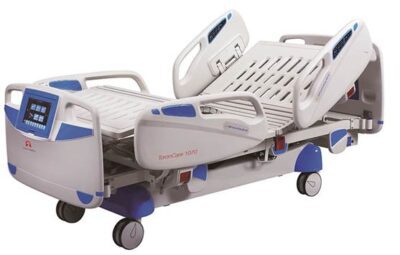
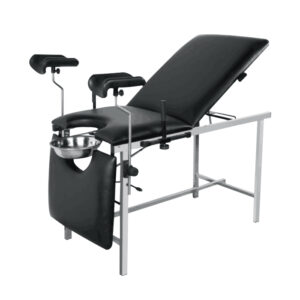
5. Hospital Furniture
Hospital furniture supports patient comfort, workflow efficiency, and infection control.
Essential furniture includes:
- Hospital Beds
- ICU Beds
- Examination Tables
- Bedside Lockers
- Overbed Tables
- Wheelchairs
- Stretchers
- Patient Trolleys
- Medical Cabinets
Furniture should be durable, ergonomic, and easy to disinfect.
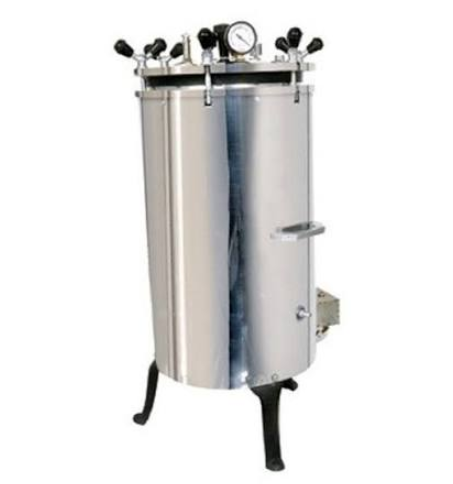
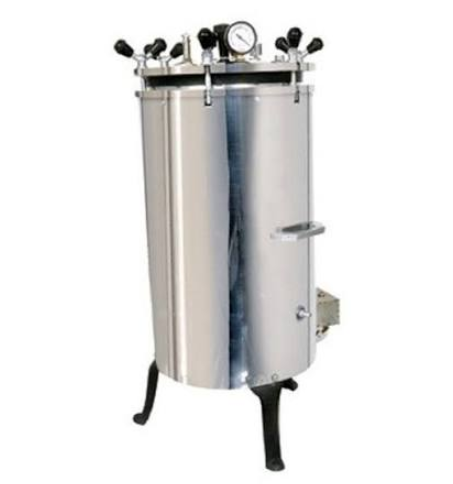
6. Sterilization and Infection Control Equipment
Preventing healthcare-associated infections is a top priority.
Essential infection control equipment includes:
- Autoclaves
- Sterilizers
- UV Sterilization Systems
- Medical Waste Bins
- Instrument Washers
- Disinfection Systems
Proper sterilization protects both patients and healthcare workers.
7. Laboratory Equipment
Hospital laboratories require accurate and reliable equipment for diagnostic testing.
Common laboratory equipment includes:
- Hematology Analyzers
- Microscopes
- Centrifuges
- Incubators
- Blood Collection Systems
- Refrigerators
- Freezers
Laboratory accuracy directly influences diagnosis and treatment quality.
8. Rehabilitation Equipment
Many healthcare facilities also provide rehabilitation services.
Important rehabilitation equipment includes:
- Physiotherapy Units
- Exercise Therapy Equipment
- Walking Aids
- Parallel Bars
- Rehabilitation Beds
- Patient Lift Systems
These tools help patients regain mobility and improve recovery outcomes.
Procurement Best Practices for Hospitals
Following a structured procurement process minimizes risk and maximizes return on investment.
Conduct a Needs Assessment
Evaluate current equipment inventory and identify clinical gaps before purchasing.
Standardize Equipment
Using standardized equipment across departments simplifies training, maintenance, and spare parts management.
Compare Multiple Suppliers
Request detailed quotations and compare:
- Product specifications
- Warranty
- Service agreements
- Delivery schedules
- Installation support
- Training options
Avoid choosing suppliers based solely on the lowest price.
Plan for Future Expansion
Select scalable equipment that can accommodate increasing patient volumes and evolving healthcare technologies.
Prioritize After-Sales Service
Reliable maintenance and technical support significantly reduce equipment downtime.
Common Hospital Procurement Mistakes to Avoid
Healthcare organizations should avoid these common purchasing mistakes:
- Buying equipment without consulting clinical staff
- Ignoring maintenance costs
- Choosing the cheapest option instead of the best value
- Purchasing equipment incompatible with existing systems
- Overlooking warranty coverage
- Failing to verify certifications
- Neglecting staff training requirements
Avoiding these errors helps maximize long-term operational efficiency.
Benefits of Partnering with a Trusted Medical Equipment Supplier
A reliable supplier offers more than just products. They provide ongoing support that contributes to the success of healthcare operations.
Benefits include:
- Access to certified medical equipment
- Expert procurement guidance
- Timely product delivery
- Professional installation
- Preventive maintenance services
- Technical troubleshooting
- Genuine replacement parts
- Long-term service partnerships
Building a relationship with an experienced supplier ensures smoother procurement and better equipment performance.
Why Choose Promixco Limited?
Promixco Limited is a trusted supplier of high-quality medical equipment in Bangladesh, serving hospitals, clinics, diagnostic centers, and healthcare institutions with reliable procurement solutions.
Our extensive product portfolio includes:
- Patient monitoring systems
- Diagnostic equipment
- Hospital furniture
- ICU equipment
- Operating theatre equipment
- Laboratory equipment
- Infection control products
- Emergency medical devices
We focus on delivering quality products, dependable after-sales support, competitive pricing, and timely delivery to help healthcare providers enhance patient care and operational efficiency.
Whether you’re setting up a new healthcare facility or upgrading existing infrastructure, our experienced team can help you identify the right equipment for your specific clinical and operational needs.
Conclusion
Hospital procurement is a strategic investment that directly impacts patient safety, clinical outcomes, and operational efficiency. By carefully evaluating clinical requirements, equipment quality, compliance, supplier reliability, and lifecycle costs, healthcare organizations can make informed purchasing decisions that deliver long-term value.
A well-planned procurement strategy ensures hospitals are equipped with reliable, high-performance medical equipment capable of supporting exceptional patient care for years to come. Partnering with an experienced supplier like Promixco Limited further simplifies the procurement process by providing quality products, technical expertise, and dependable after-sales support.
Frequently Asked Questions (FAQs)
1. What medical equipment is essential for a new hospital?
Essential equipment includes patient monitors, ventilators, ECG machines, hospital beds, diagnostic imaging systems, operating theatre equipment, laboratory analyzers, sterilization equipment, and emergency care devices.
2. How can hospitals reduce procurement costs without compromising quality?
Hospitals can reduce costs by conducting thorough needs assessments, comparing multiple suppliers, considering total ownership costs, standardizing equipment, and investing in durable, certified products.
3. Why is after-sales service important when purchasing medical equipment?
After-sales service ensures proper installation, staff training, preventive maintenance, timely repairs, and access to genuine spare parts, minimizing equipment downtime.
4. What certifications should hospitals look for in medical equipment?
Hospitals should prioritize equipment with internationally recognized certifications such as ISO, CE Marking, FDA approval (where applicable), and IEC safety standards.
5. Why should healthcare facilities choose Promixco Limited?
Promixco Limited offers a comprehensive range of certified medical equipment, expert procurement support, competitive pricing, reliable delivery, and dedicated after-sales service, making it a trusted partner for healthcare institutions across Bangladesh.