Intensive care units don’t operate like the rest of a hospital. They run around the clock, care for patients whose condition can shift within minutes, and depend on equipment that has to perform flawlessly every single time — because in an ICU, furniture failure isn’t an inconvenience, it’s a patient safety event. That’s why ICU furniture standards in 2026 have become considerably more detailed than general hospital furniture guidelines, covering everything from structural load capacity to electrical safety to infection control.
For hospital administrators and procurement teams, understanding these standards isn’t optional homework — it’s the foundation for making purchasing decisions that protect patients and hold up under audit and accreditation scrutiny. Here’s what every hospital should know before specifying or purchasing ICU furniture in 2026.
Why ICU Furniture Has Its Own Standards
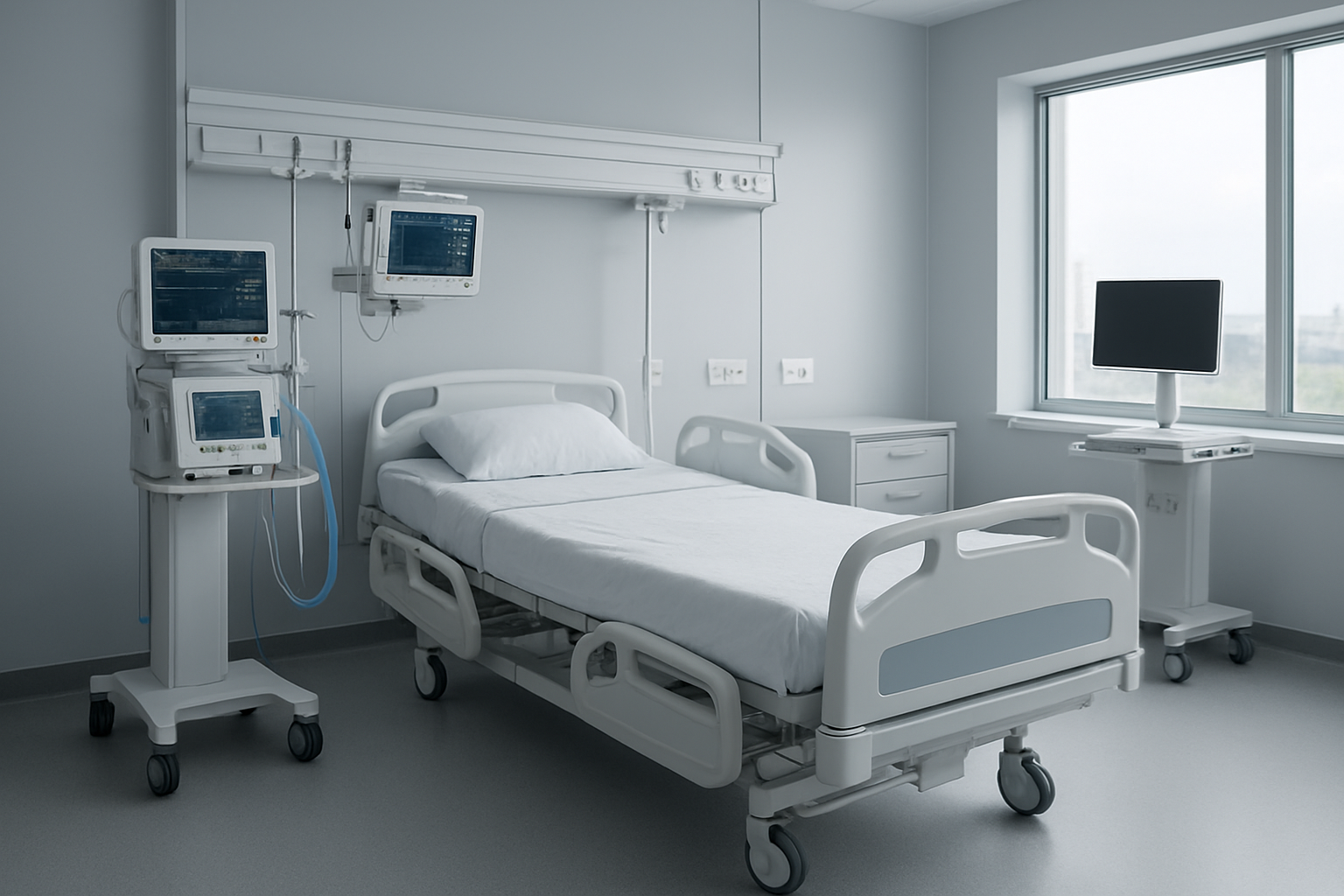
General hospital wards and ICUs place fundamentally different demands on furniture. ICU patients are frequently unable to reposition themselves, are connected to multiple monitoring and life-support devices simultaneously, and may need to be moved rapidly during emergencies. Furniture in this environment has to support complex medical procedures, integrate with advanced monitoring systems, and enable a fast, safe emergency response — none of which a standard ward bed or chair is built for.
Poorly designed ICU furniture doesn’t just create inconvenience; it can directly create workflow bottlenecks, increase contamination risk, and compromise the speed and safety of emergency interventions. This is exactly why ICU-specific standards exist as a distinct, more rigorous category.
Structural and Patient Safety Requirements
Load-bearing and stability. ICU furniture must be sturdy and stable enough to support patient transfer and weight-bearing needs, including accommodations for bariatric patients, without any risk of tipping, buckling, or mechanical failure during use.
Side rails and locking mechanisms. Reliable, lockable side rails are a baseline safety requirement, particularly given how many ICU patients are sedated, disoriented, or otherwise unable to protect themselves from a fall.
No sharp edges. Furniture and fixtures along patient and caregiver pathways need rounded corners and edges — a detail that matters considerably more in high-traffic ICU environments where staff are moving quickly, often while managing equipment or transporting a patient.
Ergonomic design for caregivers. Furniture that isn’t properly designed for safe patient transfer creates real risk not just for patients but for staff — poor design is a documented contributor to falls, pressure injuries, and musculoskeletal strain among healthcare workers.
Electrical and Fire Safety Compliance
As motorized beds, powered recliners, and integrated monitoring furniture become standard in ICU settings, electrical safety compliance has become one of the most heavily scrutinized areas of ICU furniture standards. Motorized ICU furniture must meet electrical insulation norms, offer protection against shocks, short circuits, and overheating, and increasingly needs to support emergency power compatibility so critical positioning functions remain available during a power interruption.
Fire safety is equally non-negotiable. Upholstery and materials used in ICU furniture must meet fire-retardancy and smoke-toxicity norms, both to comply with building codes and fire audits and, more importantly, to protect patients and staff in the event of a fire.
Infection Prevention and Hygiene Standards
Infection control sits at the center of ICU furniture design, reflecting just how vulnerable critically ill patients are to hospital-acquired infections. Key expectations include:
- Easy-to-disinfect surfaces with minimal seams or crevices where pathogens can accumulate.
- Durable, non-porous materials that hold up under frequent, harsh disinfectant use without degrading.
- Minimalist design that reduces surface area and complexity, making thorough cleaning between patients faster and more reliable.
- Proper spacing between beds and furniture, supporting both infection control protocols and safe staff movement during emergencies.
Certifications don’t replace a hospital’s cleaning protocols, but they do validate that a given material or surface finish will actually hold up to those protocols over time rather than degrading after a few dozen disinfection cycles.
Key Certifications to Verify
When evaluating ICU furniture manufacturers, hospitals should look for a specific set of certifications rather than accepting general claims of “quality” or “compliance”:
ISO 13485. This certification confirms that a manufacturer’s design, production, traceability, and corrective-action processes meet international medical device manufacturing requirements — giving buyers confidence that quality is consistent and deliberate, not accidental.
ISO 9001. A broader quality management certification, ISO 9001 indicates documented processes, internal audits, and continuous improvement across manufacturing operations — important for hospitals planning multi-unit or multi-year procurement, since it signals consistency across batches.
IEC electrical safety standards. For any motorized or powered ICU furniture, certifications aligned with IEC standards confirm protection against electrical hazards specific to powered medical equipment.
Local regulatory approval. In Bangladesh specifically, this means confirming the manufacturer’s DGDA registration status for the relevant device classification, in addition to any international certifications held.
Flexibility and Workflow Fit
Beyond safety and hygiene, modern ICU furniture standards increasingly emphasize operational flexibility. ICU furniture needs to support rapid room reconfiguration and fast patient transport, since emergency situations demand exactly that kind of adaptability. Furniture systems that can be quickly rearranged let hospitals respond to changing patient needs — surges in admissions, evolving care protocols, or emergency reconfiguration — without being constrained by fixed, immovable equipment.
Because ICU layouts and workflows differ meaningfully from one hospital to another, many facilities are also finding value in customizable furniture solutions rather than forcing a rigid, one-size-fits-all product into a layout it wasn’t designed for.
What Hospitals Should Ask Manufacturers
- What specific certifications does the manufacturer hold, and can documentation be independently verified?
- What load capacity and stability testing has been performed on beds and transfer equipment?
- What electrical safety standards do motorized components meet, including emergency power compatibility?
- What materials are used on high-contact surfaces, and how have they been tested for disinfectant durability?
- What after-sales support and spare-parts availability exists, since low upfront cost can translate into higher long-term maintenance costs and shorter product lifespan if support is weak?
- Can furniture be customized to fit the hospital’s specific ICU layout and workflow rather than a generic configuration?
Value Over Lowest Price
One theme runs consistently through current ICU furniture guidance: focus on overall value rather than the lowest upfront price. Furniture that’s difficult to clean, lacks proper certification, or comes from a manufacturer without a track record in critical care environments tends to create higher maintenance costs, shorter usable life, and greater safety risk — costs that dwarf whatever was saved on the initial purchase price.
Final Thoughts
ICU furniture standards in 2026 reflect just how much is riding on equipment that has to work perfectly, every time, in the highest-stakes environment a hospital operates. Structural integrity, electrical and fire safety, infection control, and genuine manufacturer certification aren’t separate checkboxes — they’re interconnected requirements that, together, determine whether ICU furniture actively supports critical care or quietly works against it. Hospitals that treat these standards as a serious evaluation criterion, rather than an afterthought to price and delivery time, are the ones building ICUs that hold up under both daily use and regulatory scrutiny.