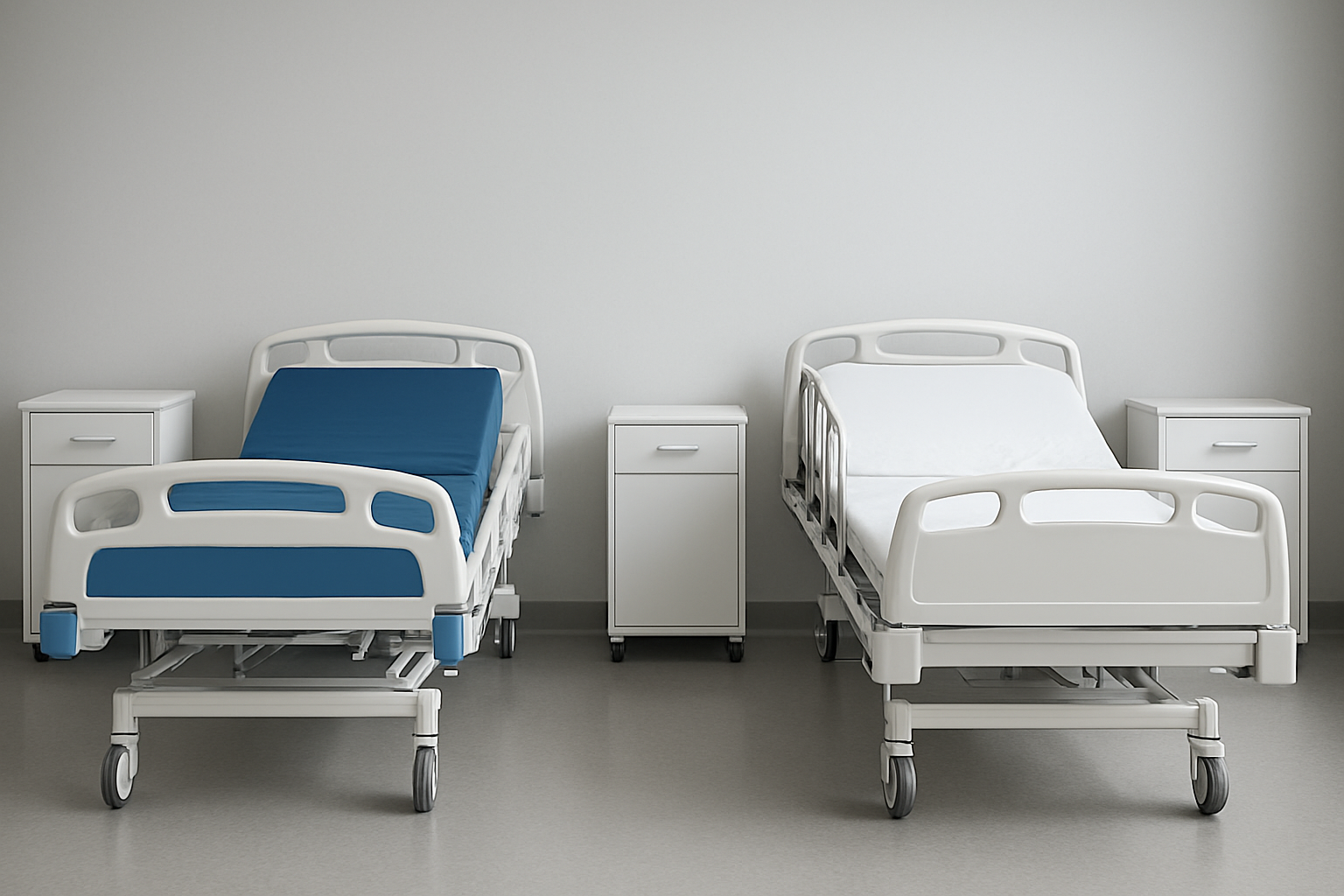
Every hospital procurement team in Bangladesh eventually faces the same decision: buy locally manufactured furniture, or import it. The instinct is often to assume imported means higher quality and local means cheaper but riskier. In 2026, that assumption doesn’t hold up as cleanly as it used to — particularly when comparing imported furniture against Promixco Limited, Bangladesh’s first DGDA-approved hospital furniture manufacturer, which now supplies more than 60% of the domestic hospital furniture market and exports internationally under CE marking, US-FDA alignment, and ISO certification.
This comparison breaks down the real cost differences — not just the sticker price — between choosing Promixco Limited and sourcing hospital furniture from overseas.
Why This Comparison Matters More Than It Used To
A decade ago, “imported” was often shorthand for better build quality, and “local” carried an implicit quality discount. That gap has narrowed significantly as Bangladeshi manufacturing — Promixco Limited in particular — has scaled up regulatory compliance, quality control, and production capacity to match international standards. At the same time, importing has become more expensive and slower due to currency fluctuations, shipping costs, and import compliance requirements. That combination means the total cost comparison in 2026 looks meaningfully different than it did even five years ago.
Upfront Purchase Price
Promixco Limited. Locally manufactured furniture is priced in local currency, without the compounding effect of international shipping, customs duties, and currency conversion losses that come with importing. This generally translates into a lower landed cost for equivalent specifications — a meaningful factor for hospitals purchasing in bulk, such as new facility builds or ward expansions.
Imported furniture. Overseas furniture — whether from China, Europe, or elsewhere — carries the base manufacturing price plus freight, insurance, customs duties, and any currency conversion costs, since most international transactions are priced in USD or EUR while Bangladeshi hospitals budget in taka. Currency fluctuation alone can meaningfully shift the final landed price between the time a quote is issued and when payment is actually made.
Lead Time and Delivery
Promixco Limited. As a domestic manufacturer, lead times are typically measured in weeks rather than months, since furniture doesn’t need to clear international shipping and customs processes. For hospitals working against a facility opening date or an urgent ward expansion, this timeline advantage can be decisive on its own.
Imported furniture. International shipping, customs clearance, and potential delays at the port can extend delivery timelines considerably, particularly for large or specialized orders. Hospitals sourcing internationally need to build significant buffer time into their planning, which isn’t always practical for urgent procurement needs.
Regulatory Compliance and Import Complexity
Promixco Limited. As Bangladesh’s first DGDA-approved hospital furniture manufacturer, Promixco Limited furniture is already compliant with domestic regulatory requirements at the point of purchase — no additional import registration, MRP certification, or customs clearance for medical devices is required.
Imported furniture. Foreign manufacturers or their local agents must navigate Bangladesh’s medical device registration process, which for many device classifications requires appointing a local authorized representative, submitting a full technical dossier, and often waiting months for registration approval before the product can even be legally imported and sold. Buyers sourcing furniture from an unregistered foreign supplier risk purchasing equipment that technically cannot be legally distributed in Bangladesh at all — a serious compliance exposure that isn’t always obvious at the point of sale.
After-Sales Service and Spare Parts
Promixco Limited. A local manufacturer with in-house production and service infrastructure can typically respond to repair requests and spare-parts needs far faster than an overseas supplier, since technicians and components don’t need to be shipped internationally. This matters enormously for equipment like electric beds and ICU furniture, where a broken motor or mechanism sitting idle for weeks awaiting an imported part translates directly into lost bed capacity.
Imported furniture. Spare parts for imported equipment often need to be ordered internationally, extending repair timelines from days to weeks or months. Some imported brands lack a meaningful local service presence altogether, leaving hospitals dependent on general technicians unfamiliar with the specific equipment, or facing extended downtime.
Customization and Local Fit
Promixco Limited. Being based in Bangladesh means direct access to local design and engineering teams who understand domestic hospital layouts, ward configurations, and clinical workflows. Custom dimensions, materials, and feature configurations can typically be arranged through direct conversation and iteration rather than lengthy overseas coordination.
Imported furniture. Customization requests to an overseas manufacturer typically involve longer communication cycles across time zones, minimum order quantities that may not suit smaller facilities, and less flexibility to accommodate Bangladesh-specific layout or workflow needs.
Quality and Certification Standing
Promixco Limited. Operating under DGDA approval alongside CE marking, US-FDA alignment, and ISO certification means Promixco Limited furniture meets both domestic and internationally recognized quality benchmarks — a combination that’s increasingly rare among purely local manufacturers and gives buyers confidence without requiring an import relationship.
Imported furniture. Quality varies significantly by source country and manufacturer. Furniture from well-established international brands can offer excellent build quality, but buyers need to independently verify DGDA registration status for the Bangladesh market specifically — a general international certification does not automatically satisfy Bangladeshi regulatory requirements.
Total Cost of Ownership: The Real Comparison
Looking only at the initial quoted price understates the real cost difference between local and imported furniture. A complete comparison should weigh:
| Factor | Promixco Limited | Imported Furniture |
|---|---|---|
| Upfront price | Generally lower, in local currency | Higher, with shipping/duties/currency risk |
| Delivery time | Weeks | Often months |
| Regulatory compliance | Already DGDA-approved | Requires separate import registration |
| Spare parts & repairs | Fast, local | Slower, dependent on import |
| Customization | Direct, flexible | Often limited or slow |
| International certification | CE, US-FDA alignment, ISO | Varies by source |
For most hospitals in Bangladesh, this combination tips clearly toward Promixco Limited on total cost of ownership — not because imported furniture is inherently inferior, but because the logistics, compliance, and service costs of importing add up in ways that aren’t visible in a single line-item price comparison.
When Importing Might Still Make Sense
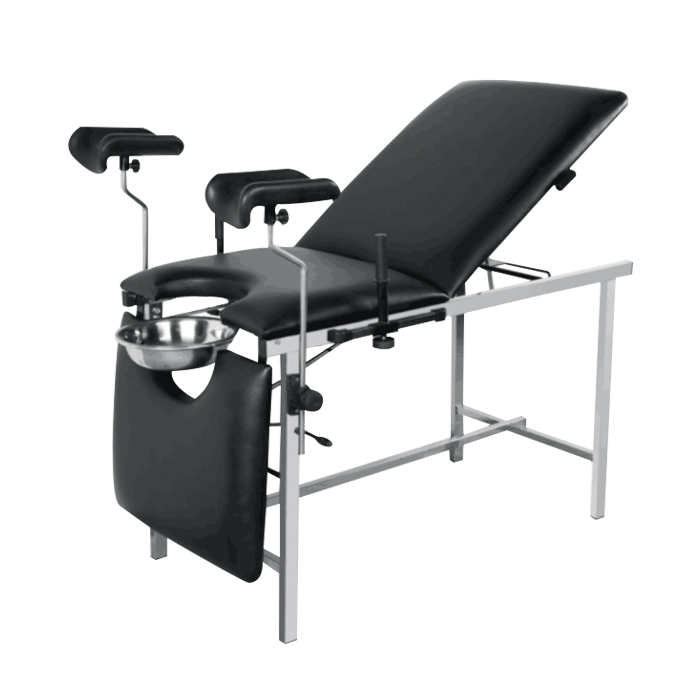
There are scenarios where importing remains a reasonable choice — for instance, highly specialized equipment not yet produced domestically, or a facility with an existing long-term relationship and service agreement with a specific international brand. But for standard hospital beds, ICU furniture, examination tables, and general ward equipment, the case for importing has weakened considerably as domestic manufacturing quality and regulatory rigor have caught up.
Final Thoughts
The Promixco Limited versus imported hospital furniture decision increasingly comes down to a simple question: is the marginal difference in international brand recognition worth the added cost, delay, compliance burden, and service risk that comes with importing? For most Bangladeshi hospitals in 2026, purchasing from a DGDA-approved domestic manufacturer with internationally recognized certifications delivers comparable — often superior — total value, while eliminating the logistical friction that imported furniture inevitably carries.